https://abest.com.br/wp-content/uploads/2025/02/capa.jpg7001000abehttps://abest.com.br/wp-content/uploads/2024/06/abest-logo-300x227.pngabe2025-10-28 13:41:002025-10-31 14:50:07Nosso Último Episódio está no ar! Ouça agora em sua plataforma favorita
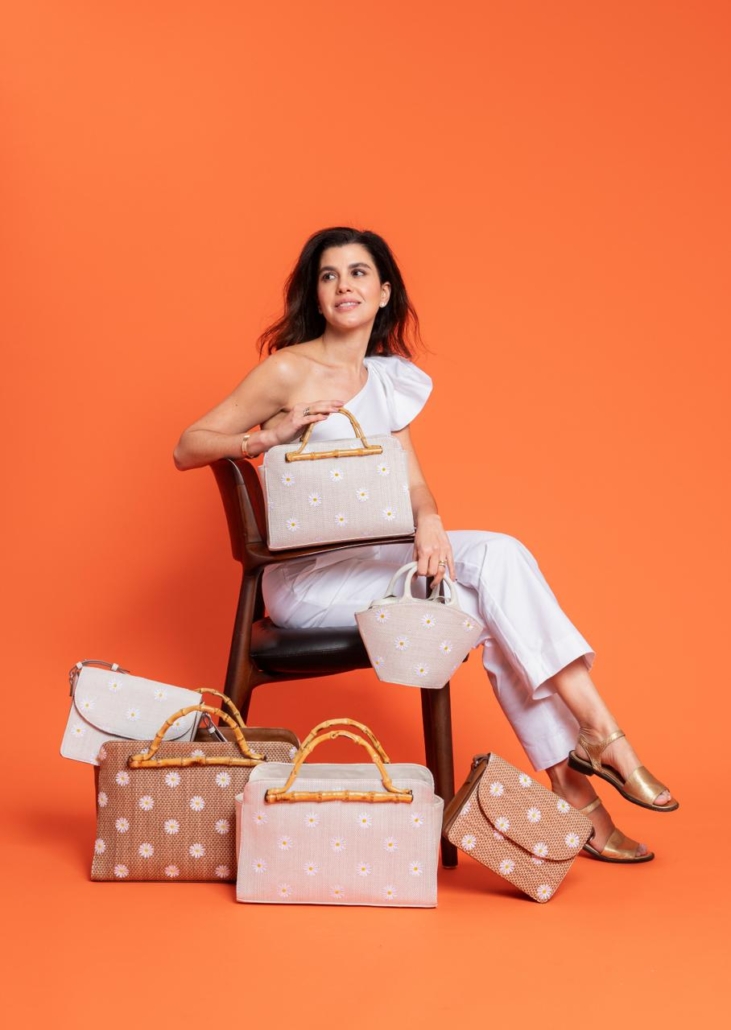
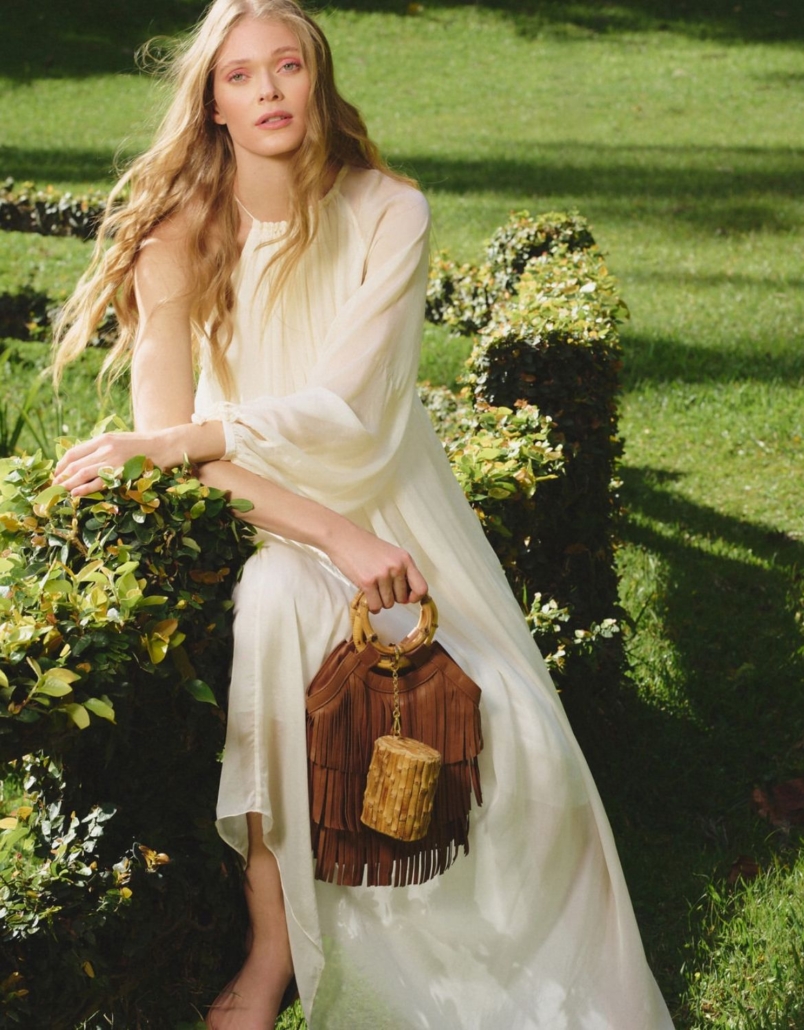
Yasmine Paranaguá e as bolsas da marca fundada por sua avó, Glorinha Paranaguá. Foto: Divulgação
Glorinha Paranaguá’s granddaughter, Yasmine Paranaguá, elevates the brand’s legacy to new heights
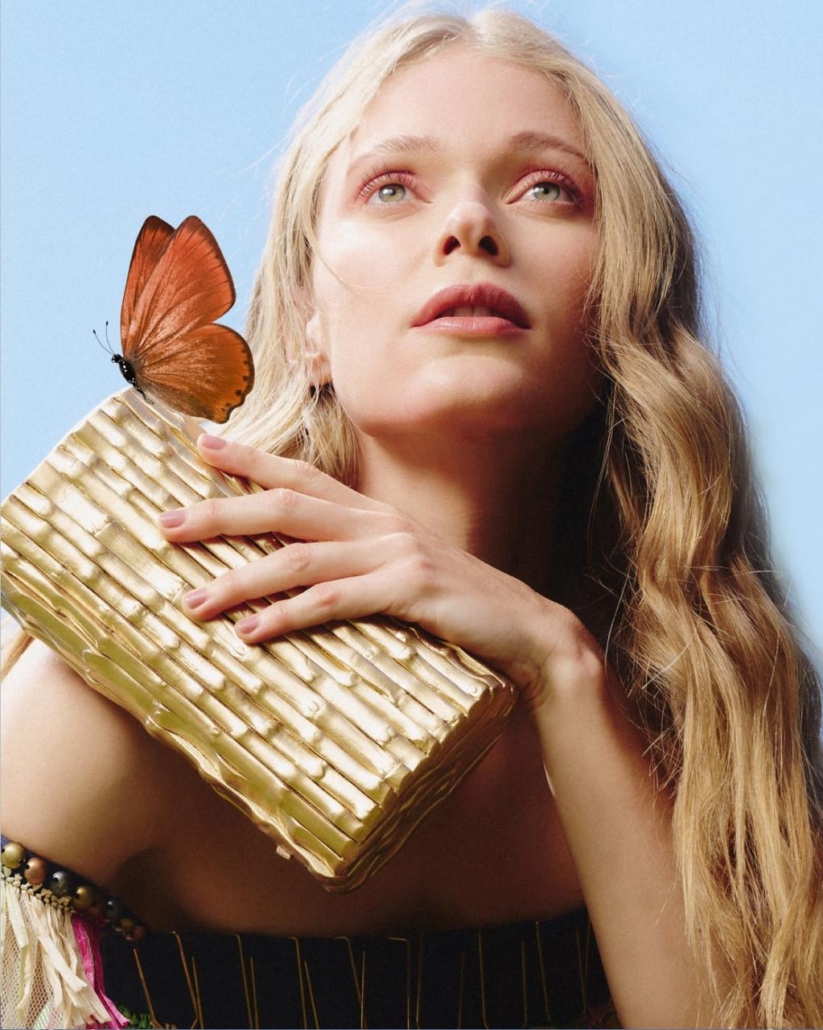
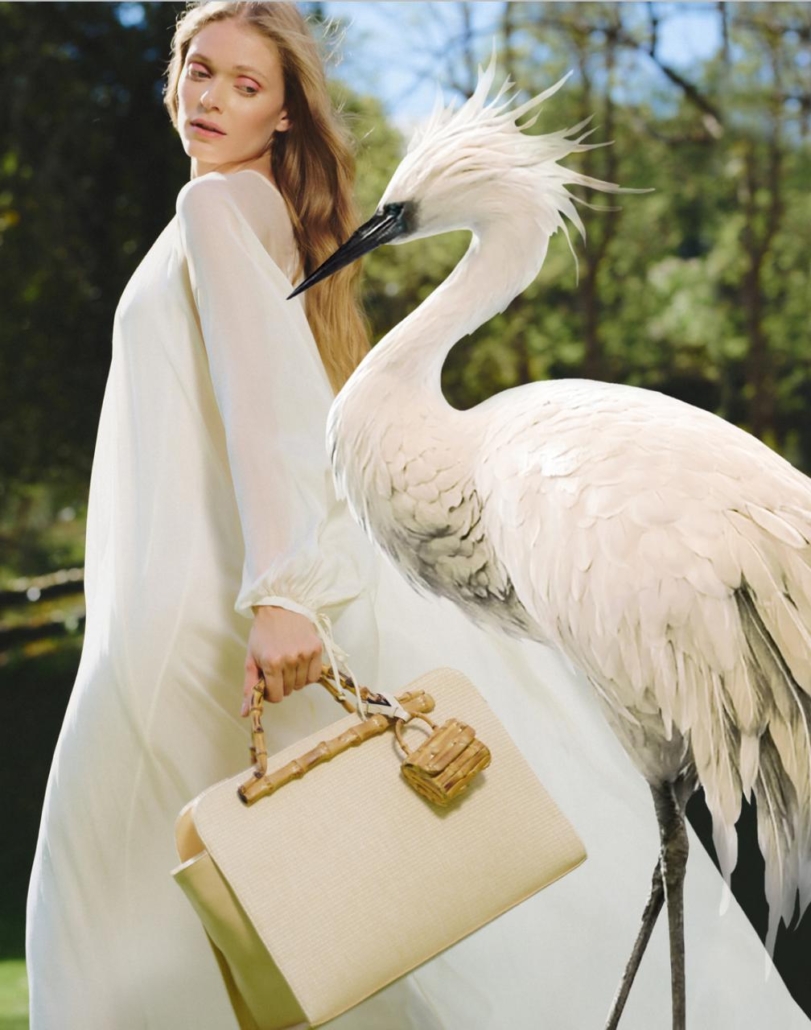
The world of Glorinha Paranaguá blends tangible beauty with deep family affection. Observing its exquisitely curated pieces and understanding their origins enhances the entire fashion experience. The signature bamboo — the material behind the brand’s iconic handbags — is a legacy of founder Glorinha’s refined taste.
It all began in the 1990s, in a charming boutique in Ipanema — an authentic meeting point that was both artisanal and cosmopolitan. From there, the brand flourished and became a reference for the international projection of Brazilian fashion. That’s how true luxury is born: creative pieces of singular originality that capture the world’s attention through their excellence.
Glorinha had already traveled extensively — her husband, Paulo, was a diplomat — and collected experiences in Morocco, Austria, Kuwait, France, Argentina, and beyond. Throughout those journeys, she carried — and elevated — the value of Brazilian materials wherever she went.
Three decades later, the brand stands under a new light — with the same essence, but an expanded family. Glorinha’s granddaughter, Yasmine Paranaguá, the first female heir in a family of sons, graduated in Design and inherited her grandmother’s cosmopolitan fashion sense. Naturally, she took over as Creative Director.
Yasmine’s mother, Naná, Glorinha’s daughter-in-law, had already joined the team — uniting a mother-in-law and daughter-in-law bonded by their shared passion for fashion’s savoir-faire. This trio of women remains the foundation of the brand’s DNA to this day. Between national and international commitments, Yasmine Paranaguá spoke with Fashion Label Brasil.
Glorinha Paranaguá has now spanned three generations. How do you perceive this heritage and the responsibility of carrying your grandmother’s legacy forward?
I grew up inside the company and was always very close to my grandmother. We lived nearby and did everything together. Since my grandmother only had sons, being her first granddaughter — and loving this creative world from an early age — brought us even closer.
Another beautiful aspect is the relationship between my mother and grandmother — daughter-in-law and mother-in-law, right? They’ve always had a wonderful bond and very similar tastes. I think my mother joining the company was a gift to my grandmother — and to me as well. My mother, beyond being my mom, is my right hand. We have incredible synergy working together. I see it as a true privilege to continue the legacy of Glorinha Paranaguá.
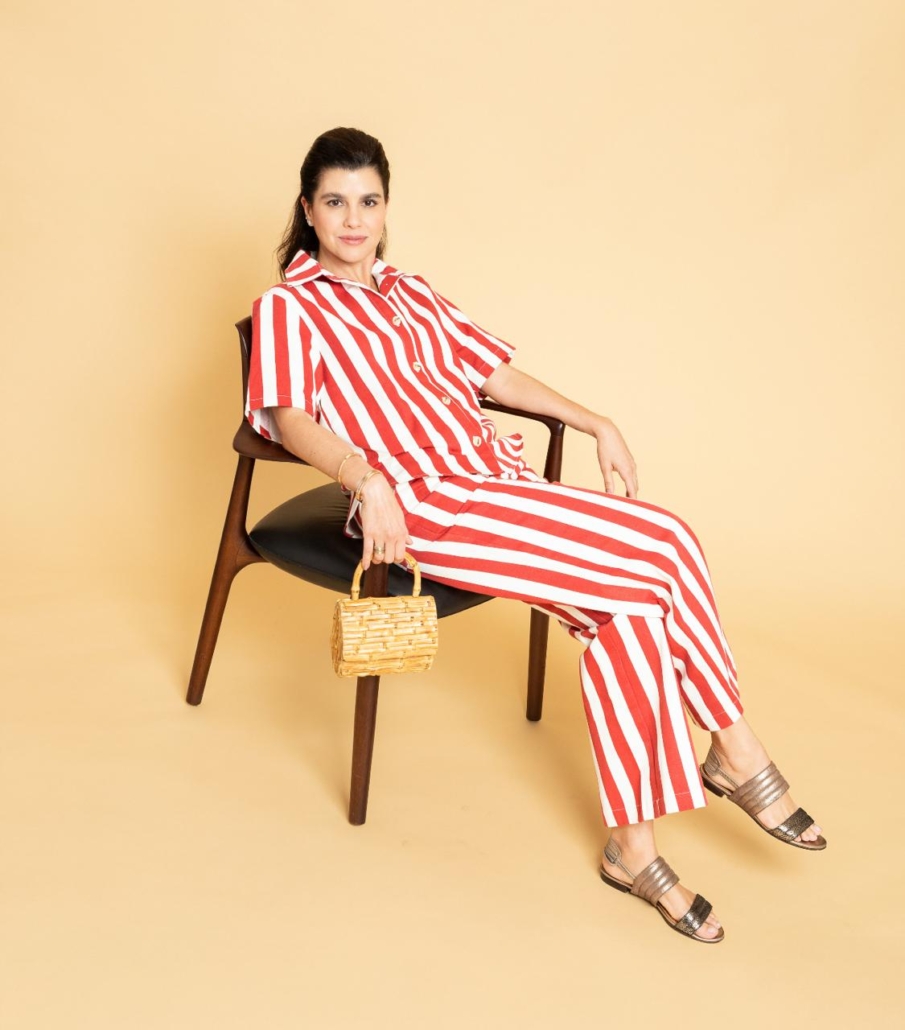
“Eu cresci dentro da empresa, acompanhei minha avó desde cedo”, Yasmine Paranaguá. Foto: Divulgação
What has changed in the brand’s DNA since its foundation?
The brand’s DNA is very strong and distinctive — and we make a point of preserving it. That’s what defines the brand and makes our products recognizable.
What’s new is that there’s now a younger, fresher perspective — someone who has lived abroad, eager to bring innovation and add new layers. Also, as a mother constantly on the move with my child, I think a lot about functionality. How can I have a handbag that looks elegant but is also practical? It’s about adding new elements and usability to each piece — that’s a meaningful shift that came with my arrival.
I also brought my passion for embroidery into the brand. I’ve studied it formally and continue to refine my craft. Often, I create the first sample myself. So I feel this embroidered world has truly become part of the brand’s identity since I joined.
How do you translate tradition for a contemporary audience?
To me, tradition means passing something from mother to daughter — allowing different generations to wear the same piece in completely different ways.
In a sense, it’s also about reuse. For a modern audience that values making the most of what they own — and who are mindful about reducing waste and consuming more consciously — this idea of durability and versatility is incredibly appealing.
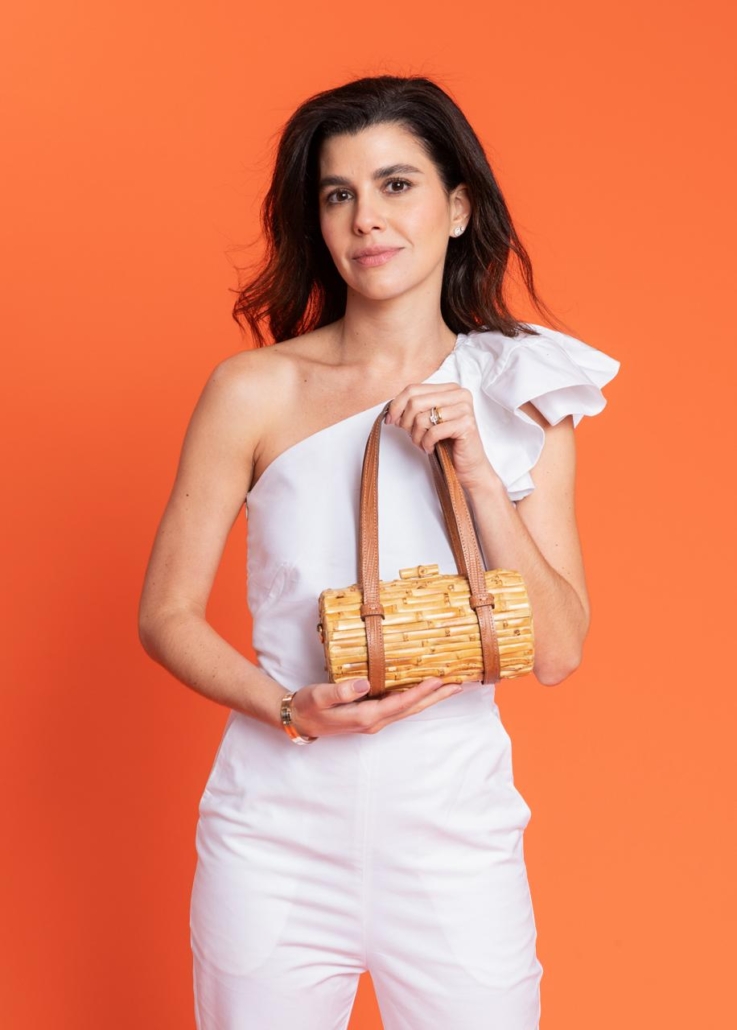
“A bolsa de bambu é um verdadeiro ícone para nós, é o nosso carro-chefe”, Yasmine Paranaguá. Foto: Divulgação
You lived in Singapore and Shanghai. How did your time in Asia influence your creative and aesthetic vision?
I absolutely loved living in Asia — in Singapore and Shanghai. That experience opened a new window for me to understand the East. I was able to absorb techniques and cultural nuances. There, people deeply value what has been crafted and what already exists, and hierarchy is highly respected. I find that very beautiful — and it has become deeply rooted in my creative process.
Beyond creative and aesthetic influences, Asia also brought me many behavioral insights. I observed the social dynamics of each country — how people adapt and evolve. That was an immense learning experience for me.
Are there elements of Asian culture that you’ve incorporated into your design process or brand identity?
Yes — it’s all connected to mindset. The Asian public has a profound appreciation for craftsmanship, for what’s handmade, and for the time invested in creating something. I remember that when I studied at Lesage, many of my classmates were Japanese — they place incredible value on hand-embellished work, especially embroidery, treating it as a true art form.
Fotos: Glorinha Paranaguá @glorinhaparanagua
How has your international experience influenced the way you manage the brand, beyond design itself?
Living abroad brings a wealth of experience. In my case, it gave me independence — the ability to understand professional life, beginnings, and family balance. It shapes you in every sense: being away from your country, your comfort zone, and your family. So, that experience was not only essential to my creative vision but also to my personal growth. And yes, I believe that’s reflected in how we run the brand today.
In terms of physical presence, how many points of sale does the brand currently have?
We have two flagship stores — one in Rio de Janeiro and one in São Paulo. We sell throughout Brazil and internationally, and we’re continuously expanding. Among our multi-brand partners, we have around 30 to 35 clients distributed across Brazil and abroad.
Fotos: Glorinha Paranaguá @glorinhaparanagua
Who tends to identify most with the brand in Brazil? And how does that compare to your international audience?
I believe our clientele — both in Brazil and internationally — shares very similar values. They appreciate the handmade, value brands with an authentic and distinctive touch, and look for products with impeccable craftsmanship rather than a logo to display.
We’re constantly refining our product mix so that our clients can style our handbags for a variety of occasions.
What materials do you use most often, and how does your design process work? Is it a collaborative team effort?
Our signature material is bamboo — it’s truly our hallmark. My mother and I love mixing materials; we find that richness in contrasts. We often combine bamboo with leather, and straw appears in certain seasons. In winter, for example, we play with velvet and create unexpected combinations.
The creative process is mostly handled by my mother and me. Production is outsourced, and our teams are split between São Paulo and Rio. We conduct research both together and independently — drawing inspiration from online references, fashion shows, travels, and exhibitions.
Fotos: Glorinha Paranaguá @glorinhaparanagua
The bamboo handbag is an icon of Glorinha Paranaguá. How do you keep this classic alive while still innovating?
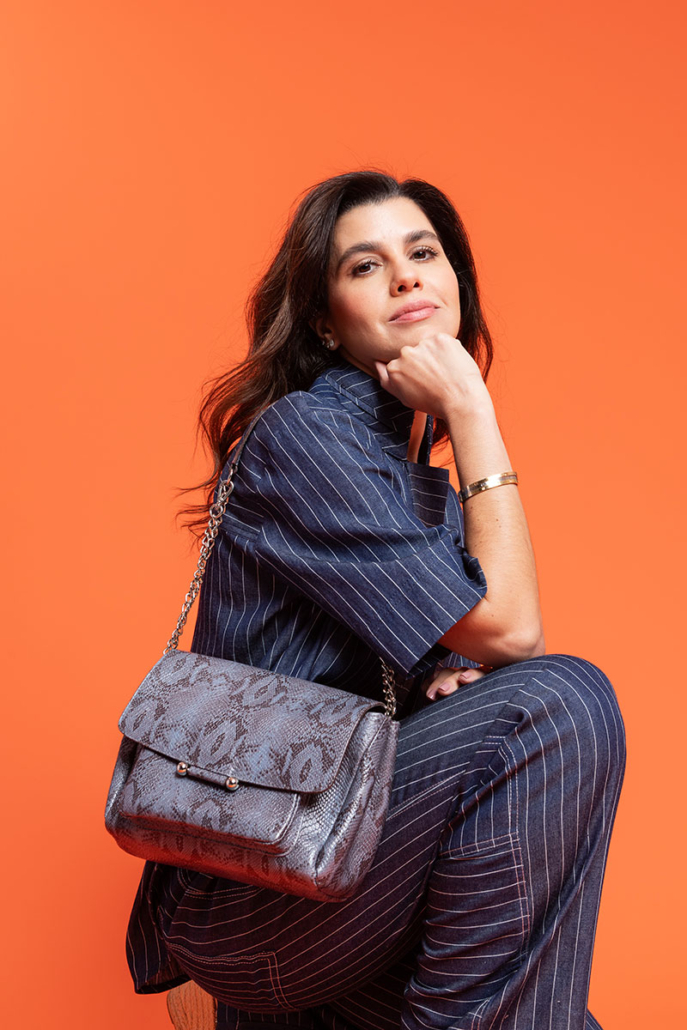
The bamboo handbag is our true icon — our flagship piece. It’s timeless. From it, we’ve developed an entire bamboo line. Alongside this bestseller, we also have other signature pieces: leather handbags, our bamboo-button belt bags, and our beloved hand-crocheted items.
What international events have been significant for the brand? Have you participated in international trade fairs? Yes — my mother and grandmother participated in several fairs. In October 2019, we took part in Coterie in New York. We had to pause due to the pandemic, but we plan to return next year and participate in more fairs, particularly in Europe.
Fotos: Glorinha Paranaguá @glorinhaparanagua
What are the next steps in terms of national and international expansion?
Expansion is always the goal. We want to strengthen brand awareness and increase our reach — both across Brazil and in international markets.
What can we expect from the brand in the coming years?
We like to flirt with the new while honoring the past. I truly believe in collaborations — so we’re always thinking about and planning the next one. And of course, the plan is to keep growing, creating, selling, and bringing more beautiful handbags to our clients.
By Juliana Lopes, editor at Fashion Label Brasil Photos: Courtesy of Glorinha Paranaguá
https://abest.com.br/wp-content/uploads/2025/10/capa.jpg7001000abehttps://abest.com.br/wp-content/uploads/2024/06/abest-logo-300x227.pngabe2025-10-20 20:42:492025-10-22 14:25:34TALKING TO: GLORINHA PARANAGUÁ
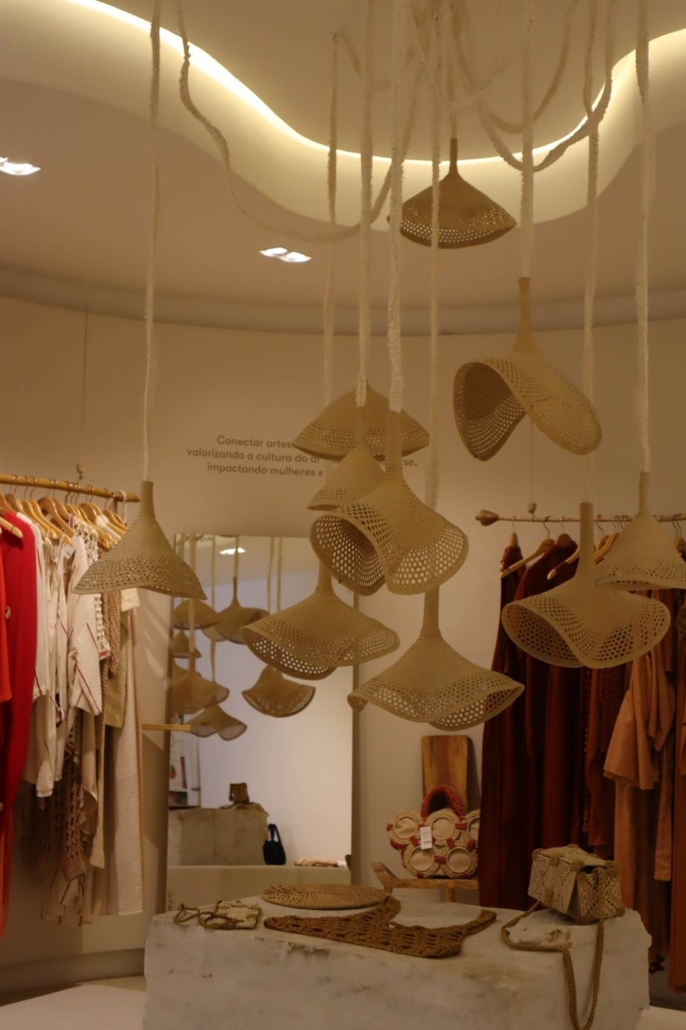
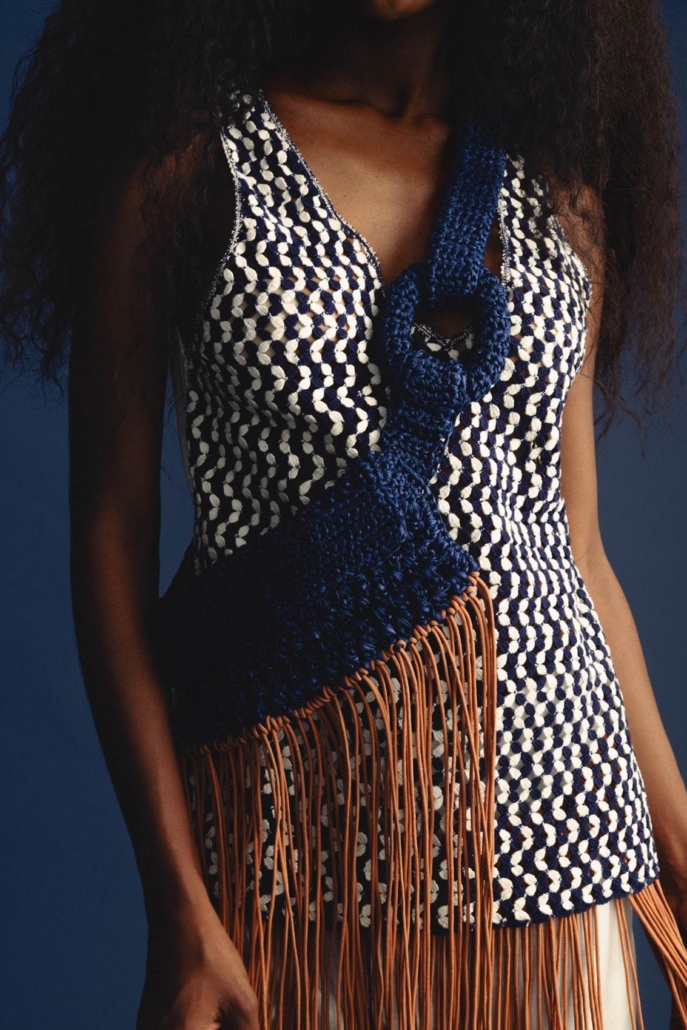
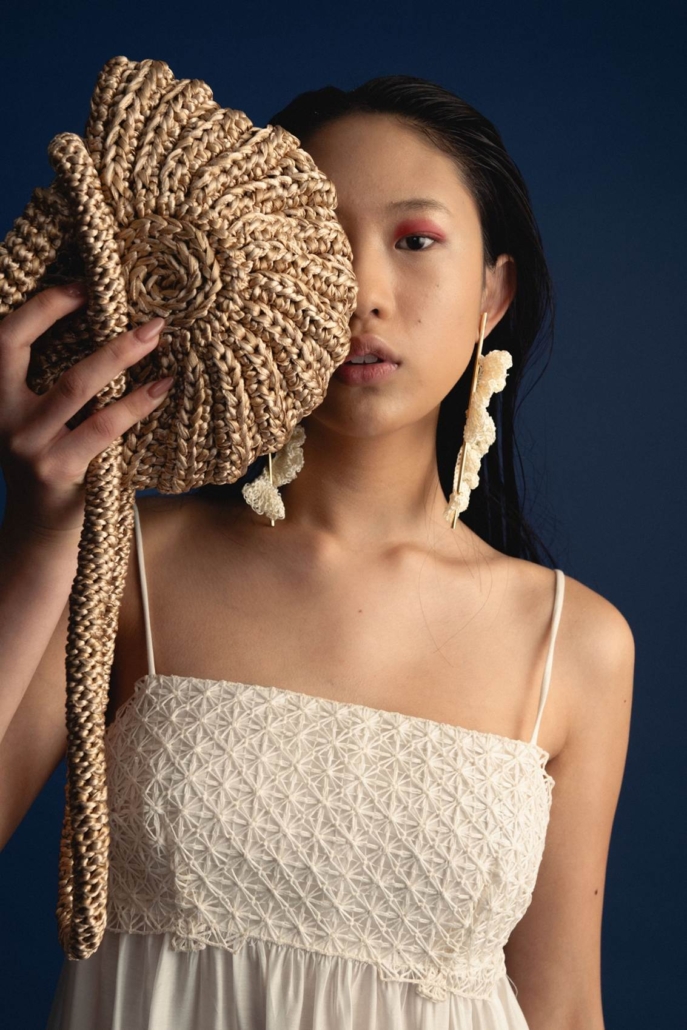
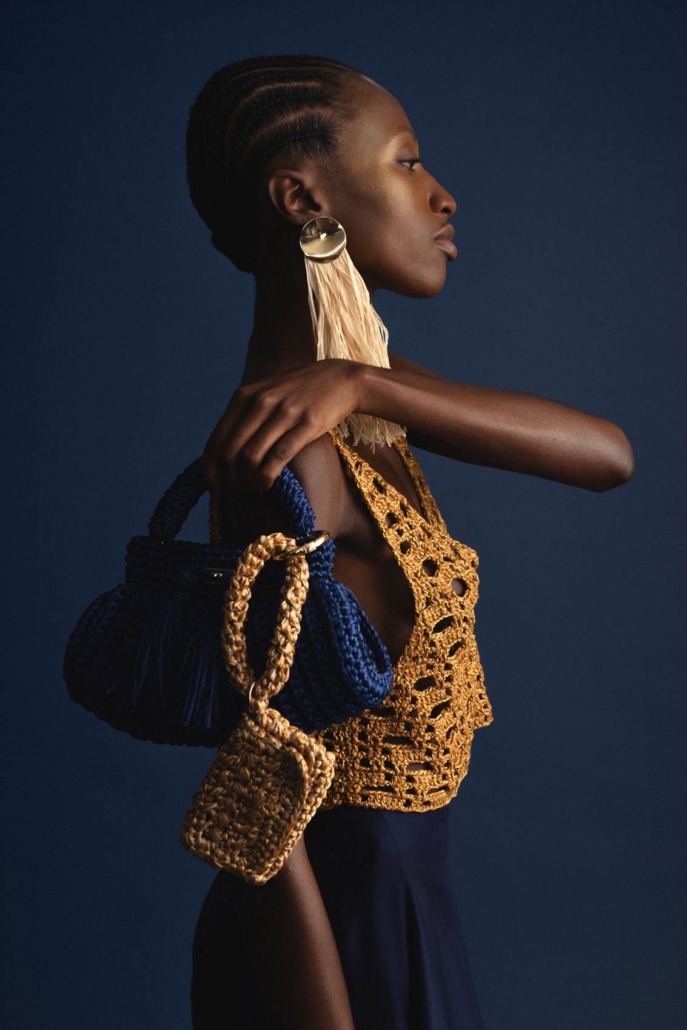
Talking about Brazilian handmade is diving into a world of research, discovery, logistics, and of course, expertise in working with raw materials sustainably. That’s the challenge taken on by Catarina Mina, a brand founded by Celina Issa in 2014 and first “imagined” back in 2005, during her college years.
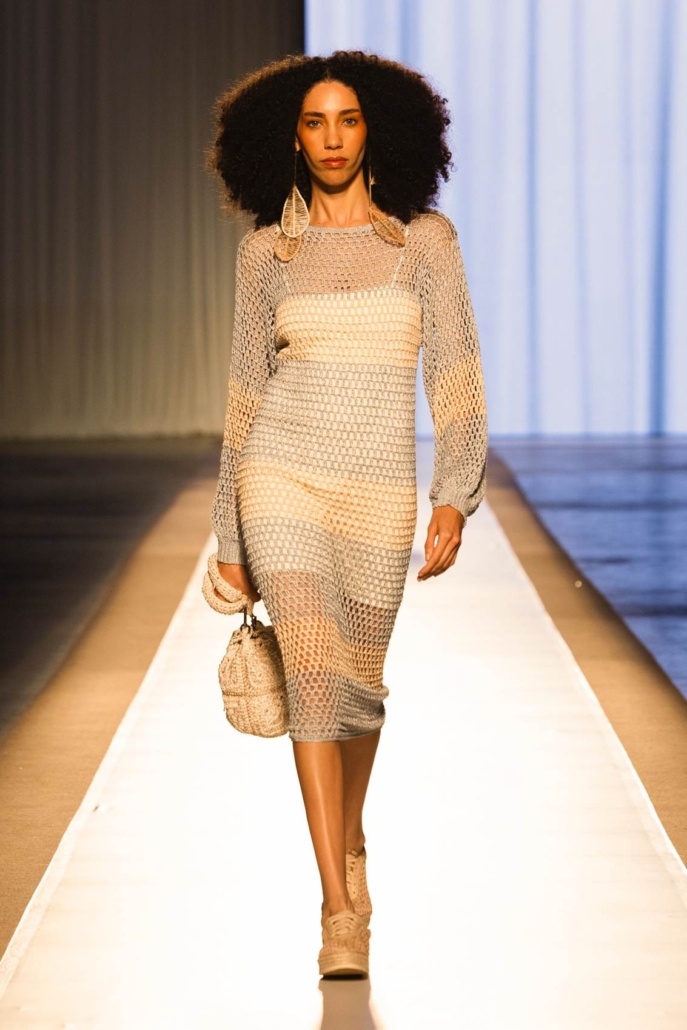
To talk about Catarina Mina is to understand just how memorably Brazilian its pieces are. The color choices, the craftsmanship, the textures, and the rhythm — something only a tropical brand can achieve. But this is fashion, and that means it’s not just about how things are made — it’s about staying connected to what people love today. The designer shared with our website a bit of the brand’s journey, which started with bags and accessories and now includes clothing and home collections.
Today, Catarina Mina sells primarily through its national and global e-shop, in national multi-brand stores, and in three physical stores in Brazil: two in São Paulo and one in Fortaleza. The brand exports to 17 countries, with plans to expand even more — always staying true to its sustainable ethos and Brazilian essence.
You recently participated in the Brazilian Creating for Tomorrow exhibition in London. How did that come about? What was the audience’s reaction, from your perspective?
We received the invitation with great joy, and it immediately activated a strong sense of responsibility in us. We were recently certified by the B Corporation (Sistema B), and it’s amazing how much an international recognition of this caliber pushes us to dream even bigger and aim higher in the market of impact-driven fashion.
Being in London for BCFT was hugely important. The event is part of Climate Week, which aligns perfectly with our mission: to seek solutions for the future and do our part on that journey. We exhibited pieces made with Amazonian rubber, which symbolizes us reaching new frontiers — far from our place of origin in Ceará. Straight from the lungs of the world, latex is one of the raw materials we’ve been exploring deeply.
We felt that the audience was proud to see that Brazil fosters initiatives like this — making the most of our rich diversity in climate, people, and talent to try and build a more sustainable future.
Have you participated in international trade shows? Which ones? Tell us about your experiences. Have you ever worked on a project with support from Abest/Apex (FLB)? How was that?
Yes! We debuted in international fairs back in 2016. We’ve attended Who’s Next in Paris multiple times, Cabana in Miami and New York, Coterie, Première Classe, and Splash.
Could you talk about your experience doing fashion shows? What do you think of it as a communication tool?
A fashion show is the highlight of a fashion brand — the moment of the show. It’s a complex challenge because you have to tell a story on the runway — a story that, in our case, includes key characters like artisans, rich craft typologies, intangible cultural heritage, and more. But it’s incredibly rewarding. From styling to staging, the look selection, makeup, line-up, and models — I personally love it and feel more comfortable each year developing this type of narrative.
I’d say Catarina Mina now loves the runway. This year, we were at Latin America’s largest independent fashion event, held in our hometown, Fortaleza. But we’ve also walked at São Paulo Fashion Week and Milan Fashion Week.
Where does the brand usually present its collections?
Today, we have showrooms abroad, including one that serves the U.S. and connects with others in Spain and Greece. We also show at trade fairs and fashion shows, of course.
Tell us a bit about the brand’s trajectory — how was it conceived and how long did it take to become established?
The brand was conceived between 2005 and 2006, and in those early days, we made fabric bags — it was a more experimental phase. Starting small and artisanal, with limited editions, was fundamental for me to gradually understand the market. Early on, we received many wholesale orders in a private label format, and I learned how to work with well-known national brands — many of which exported. That was a major learning experience.
Between 2008 and 2013, we worked with crochet and started building groups of artisans, associations, and new market relationships — learning by doing. It was a beautiful process. At that time, I was pursuing a master’s in Communication at the Federal University of Ceará, researching collective modes of production. That helped shape my understanding that the kind of fashion I wanted to make was different from what I saw around me.
In the beginning, the brand was more of a collaborative project — more collective than most companies I knew.
It wasn’t until 2014 that I decided to fully embrace retail and build Catarina Mina into what the world sees today: a premium, handmade, Brazilian brand focused on quality and impact.
How many stores and points of sale does the brand currently have?
We have three own stores in Brazil: two in São Paulo (in Pinheiros and JK Iguatemi) and one in Fortaleza, which is also home to part of our studio. Our e-commerce is also a strong point of sale — with a specific audience that allows us to reach every corner of Brazil and beyond. We also operate a global e-shop.
What kind of audience connects with the brand in Brazil? Do you notice any differences abroad?
I don’t see a big difference between our Brazilian and international audiences. They are diverse, but what unites them is that they are mostly women who value or enjoy carrying something handmade. They like the language, the texture — they find beauty and uniqueness in the handmade. That makes me happy — knowing we reach an audience that understands our essence and, most importantly, loves that essence.
Do you plan to expand internationally? Can you tell us more?
Our international journey has mirrored our national one — gradual and intentional. We’ve taken steps, secured retail partnerships — especially in Europe — and now we dream of opening a physical store in a European capital that welcomes tourists from all over the world, has strong foot traffic, and recognizes Catarina Mina as a Brazilian brand without borders.
Can anyone guess which capital that is? I can’t say yet! (laughs)
What sustainability practices do you follow? Is it challenging? Do you plan to expand them?
No doubt it’s challenging — because it requires investment, and all investment is demanding. But here, we always say that we don’t choose between profit and impact — we want both, and we’re committed to both.
In the last two years, we’ve been organizing data within the company to formally document everything we’ve done since 2014 in terms of community impact, environmental efforts, and work with minorities.
We created an Impact Department, now made up of a dedicated team that spends all its time focused on social impact.
Between 2023 and 2025, we were fully focused on obtaining the B Corp Certification, something we deeply wanted.
We achieved it, and with it came the responsibility to keep growing in that direction — so yes, we absolutely plan to expand these practices.
What raw materials do you typically work with? How would you describe your design process?
We always prioritize natural and Brazilian raw materials to fulfill our sustainability mission. That includes pure cotton, organic cotton from Paraíba, silk straw from southern Brazil, Amazon rubber, and natural fibers like carnauba, banana plant, croá, pure linen, ramie, and Brazilian metals.
It’s a creative blend of solutions in a world that must now deal with overproduction, massive fast-fashion scales, resource scarcity, and social inequality. It’s a big challenge — but yes, we have a clear purpose and are always working to align with it.
What’s the brand’s best-selling product?
I have to mention two:
The Cantiga — it’s the first bag many clients buy from Catarina Mina, and it’s been made since 2011. For me, that’s incredibly valuable — a bag that transcends collections and lasts over time, in a market that thrives on disposability. It’s definitely a best-seller.
But recently, a tiny and super charming (and youthful) bag has surpassed it: the Pouch Cafuné — a crossbody belt bag that most people wear across the chest. It’s casual, youthful, simple, with fewer details but brilliant design.
I think Catarina Mina can have both sides: a more sophisticated one, with metals, adaptable straps, and sturdiness — and a lighter, more practical, minimalist one. There’s fashion for every taste — as long as it’s handmade.
Talking about “Made in Brazil” brands is much more complex than one might think — a wonderful complexity, in fact, full of diversity and different ways of working. A continental country has many faces, colors, neighborhoods, and stories, and Ventura shares its original narrative in this interview with Flávio Ventura.
Ventura around the world
Do you usually participate in international trade shows? Is the support from Fashion Label Brasil – Abest relevant to Ventura?
At the beginning of Ventura, we took part in numerous trade shows across Brazil, promoting the brand and opening sales points. But the world and the market have changed, and only recently did I decide to reopen this path that once brought us such great returns. After the success in Lisbon and José Ignacio, I felt it was time to count on the support of Fashion Label Brasil – Abest to increase our global presence.
Since when have you been focused on expanding internationally?
Since the end of last year, our focus has been entirely on foreign markets. I started by opening sales points through direct contacts, in stores that aligned with our brand’s concept, and we’ve been growing this way. When I realized this would only continue to grow, I hired an international sales and marketing consultancy to guide us in this new direction and help us identify the best path. I did a photoshoot aligned with this new direction, and now I’m negotiating with three trade shows—two in Paris and one in Milan—to present our best version to boutiques, multibrand stores, and optical shops worldwide.
Have you previously participated in any project with Fashion Label Brasil – Abest?
We had an experience with Fashion Label Brasil – Abest at the end of last year when I was invited to take part in an event where they brought in international buyers from incredible stores. Receiving positive feedback on the brand’s design, colors, quality, and story gave us a lot of confidence and reassurance to invest in this expansion.
Ventura’s Identity
How do you define the brand’s identity?
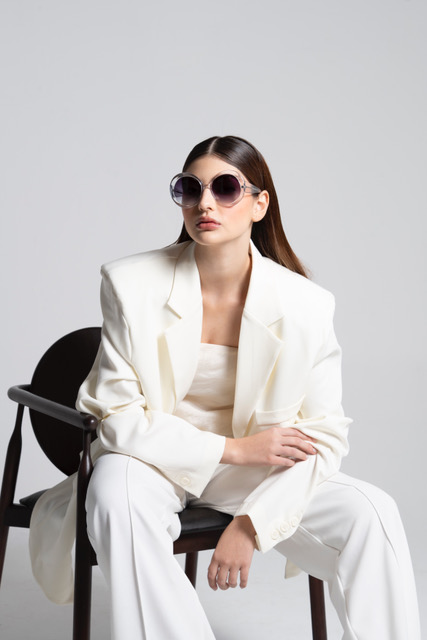
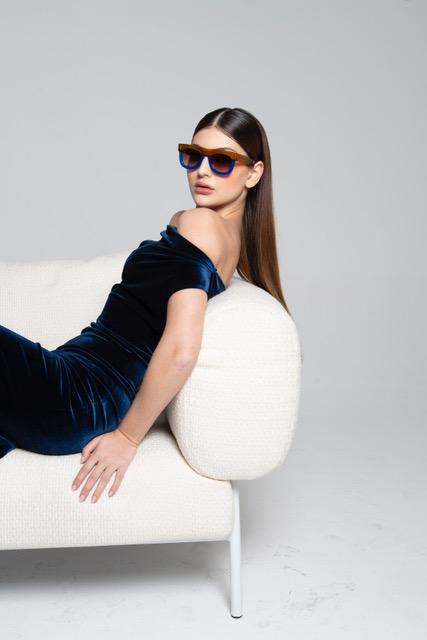
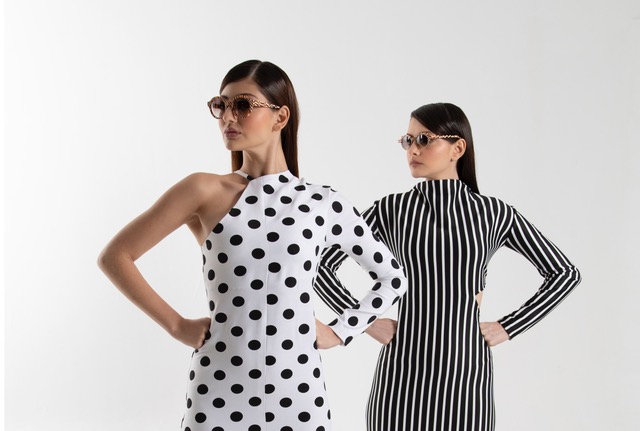
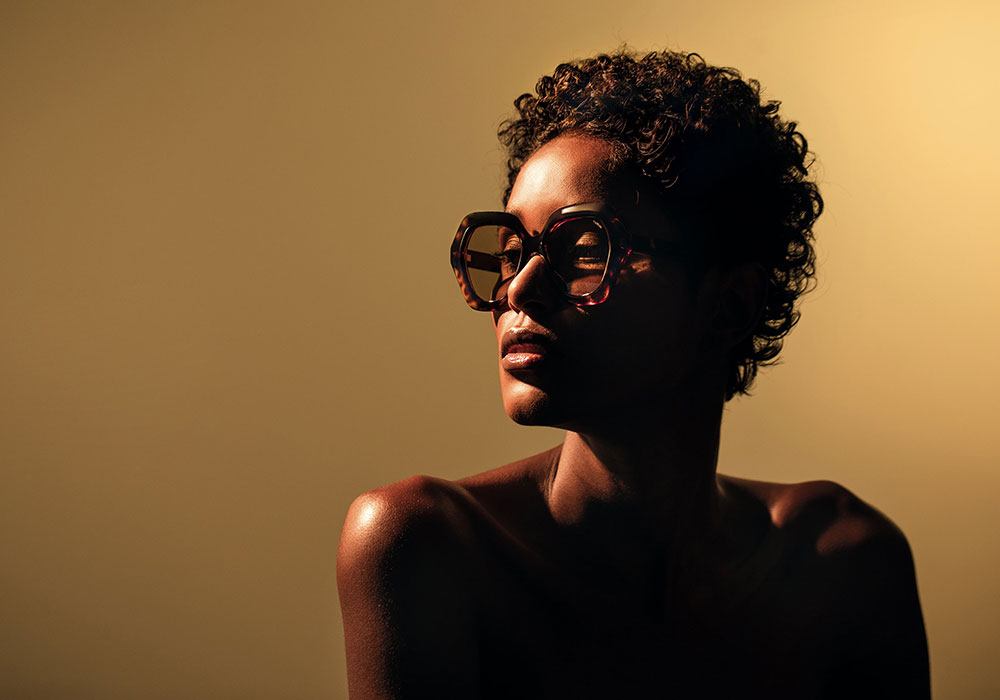
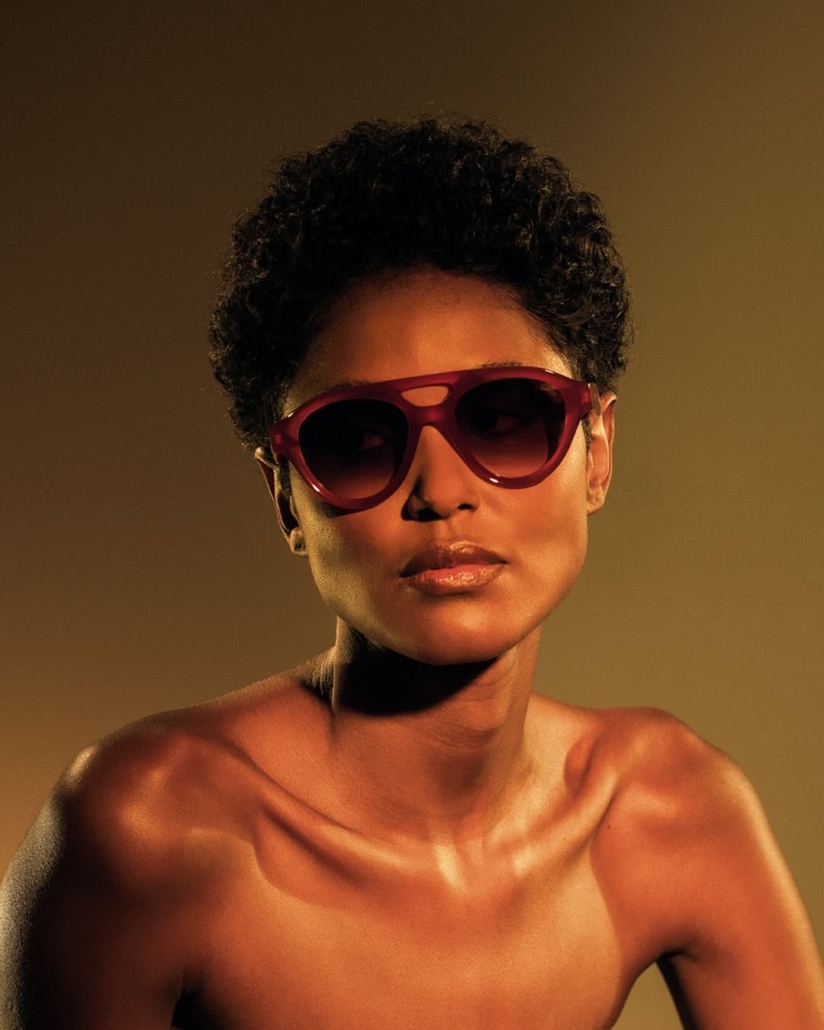
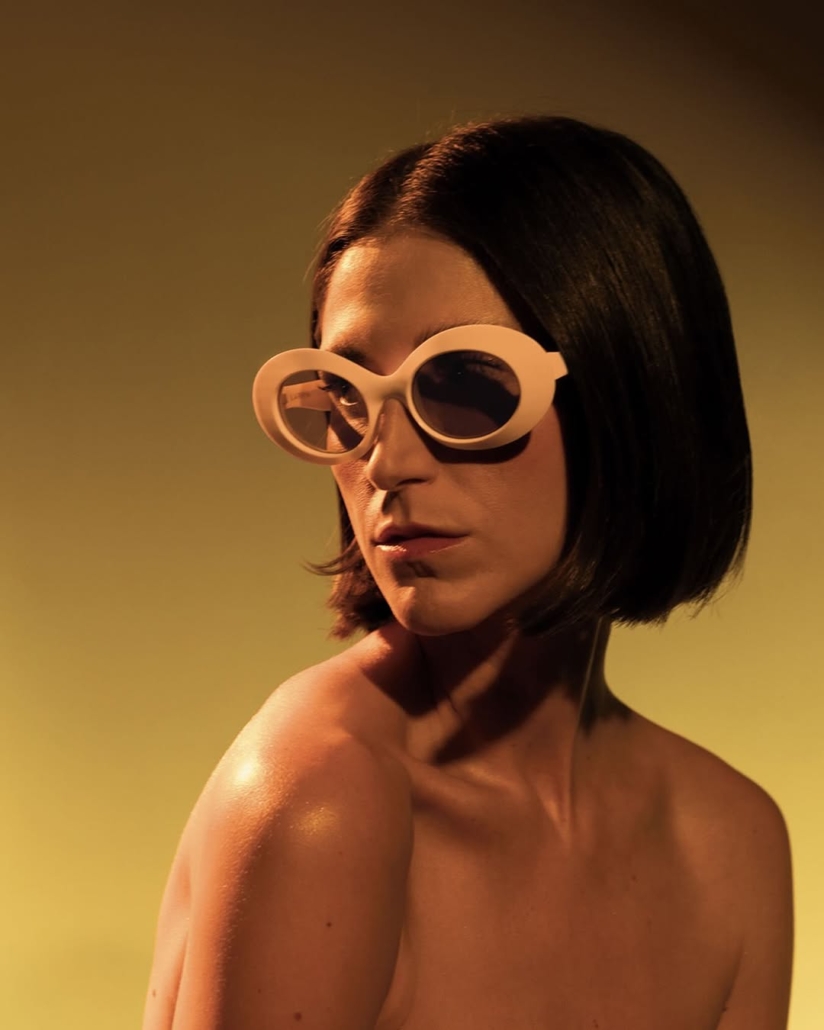
The main characteristic of our DNA is offering bold design and handcrafted quality eyewear, produced in small batches to meet the dynamic demands of the fashion world. Unlike traditional eyewear brands, which operate with rigid processes and large runs, Ventura brings innovation and flexibility, creating exclusive collections tailored to the unique identity of multibrand boutiques. With a solid heritage in handcrafted eyewear and a bold approach to style, Ventura turns sunglasses into high-impact, customizable accessories that enrich retail assortments and inspire individual expression.
And how do international clients respond to this DNA?
One thing people always say about Ventura is how impressive our variety of models and colors is. Since we also have an optical side—not just fashion—I need models that suit all face shapes and different prescriptions.
What was your strategy for curating the internationally-focused collection?
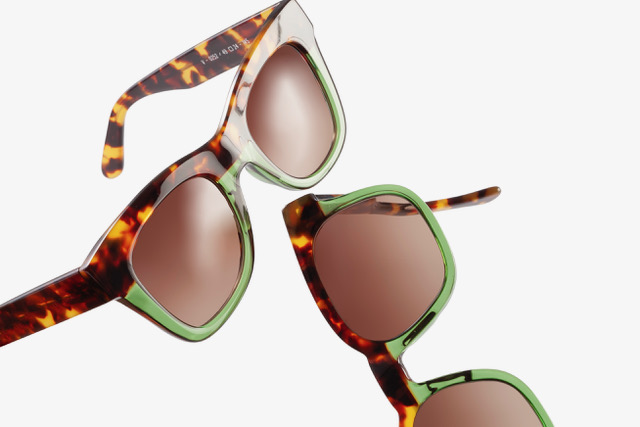
In this new international positioning, I selected some best-selling models in unique color variations and called it the DNA Ventura Collection. To complement it, I designed a limited-edition collection made with an exclusive Italian acetate sheet, which I called OpArt, based on the 1960s art movement. These two lines will be the stars of our new chapter.
The Origin of It All
We’d like to know a bit about the brand’s trajectory—how it was conceived and how long it took to get established.
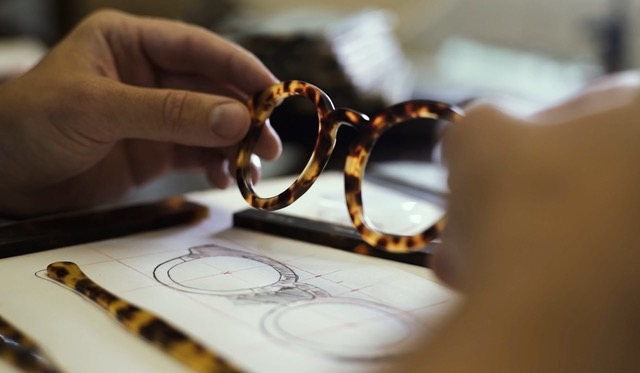
My family has been in the optical business since 1945 when my grandfather opened his first store. In 1988, my parents, Deborah and Francisco, identified a demand for distinctive design at more accessible prices. That’s when they created Brazil’s first eyewear boutique in a charming house in the Jardins district — the same address we’re at today — where the fashion world inspired them. My mother created a cozy, family-like atmosphere with clean architecture, and to this day, the store retains that welcoming feeling. Our eyewear has appeared in many editions of São Paulo Fashion Week; for years, we partnered with at least ten brands on the runway.
What are the main features of Ventura eyewear?
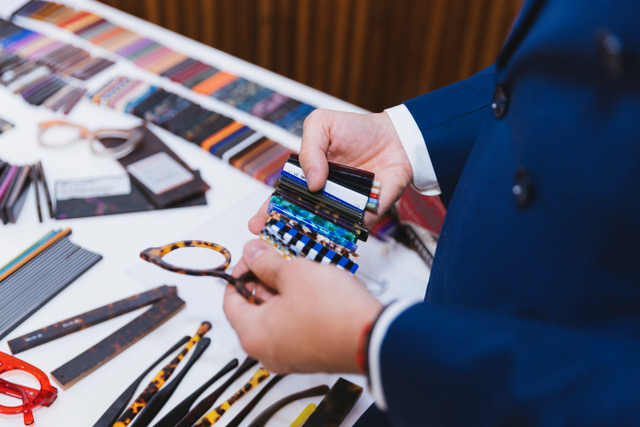
Ventura offers Brazilian-designed, handmade products developed with Italian Mazzuchelli acetate and German lenses with UVA/UVB protection. Now that I’ve taken over the brand, I’ve brought in new designs, technologies, and initiatives that, together with our 80-year history, make Ventura a landmark in São Paulo.
Have you done collaborations with other brands or influencers?
We revolutionized the market with exclusive lines, including numbered fabric pieces, which led to a collab with the British brand Basso&Brooke. We’ve also collaborated with artists and influencers like Marília Gabriela and Anna Fasano, and with brands such as Misci, Lino Villaventura, Adriana Degreas, Amém, FRNC, and Lenny.
Ventura Family: The Heart of the Business
You convey a strong connection between the brand and its clients, both through lifestyle and customer service. How long have you worked this way?
Since Ventura’s early days, we’ve been very close to our customers—they’re part of our family. This connection makes people feel like they must stop by and see us. We had a store inside Daslu for over 15 years and learned a lot from Eliana Tranchesi; every detail matters. Today, our focus is our Jardins store, where there’s always a family member to greet friends, along with over 20 points of sale in Brazil and abroad, and our ecommerce, which delivers anywhere.
Do you plan to open a new space in São Paulo?
Soon, I’ll be launching our eyewear space at Cidade Matarazzo, a new landmark in São Paulo and a milestone in my own story. I’m very honored by this invitation—it’s my first solo project in such an important location in the city, and I’ll definitely bring the most exclusive and fashion-forward offerings into this incredible space.
Production and Sustainability
What sustainable practices do you follow, and what materials do you usually work with?
We work with Italian acetate sheets. Acetate is a recyclable and eco-friendly material derived from cotton. It not only reflects a refined fashion sense but also a commitment to environmental preservation. It’s a conscious and stylish way to express concern for sustainability without compromising the quality and glamour associated with high-end fashion. The production of Italian acetate involves using recycled, biodegradable, or renewable source materials, contributing to carbon footprint reduction and promoting a circular economy. Italian acetate eyewear is often designed to be timeless, aiming for durability and resilience. This aligns with the philosophy of conscious consumption, encouraging customers to invest in pieces that go beyond fleeting trends.
How would you define your design process?
We have a family database of models that have stood the test of time. Bridging the fashion world with optical health has always been a challenge. When I design our frames, I always bring in classic elements and the language of our original models. Reflecting this in the pieces is the greatest legacy past generations have left me. All production—both frames and lenses—is closely monitored by us to ensure the best aesthetic and technical results.
Which products are Ventura’s best sellers?
In the DNA campaign, I selected pieces that are our signature when people think of Ventura. Round, cat-eye, square styles, in color variations that express this new phase. I feel this collection offers the complete mix for those seeking unique, artisanal, and authentic products—with a Brazilian twist and optical quality.
Eyewear as a Fashion Statement
What role do eyewear play in building a fashion look?
Eyewear tells a story—it says who you are, what you want to express, how you’re feeling. Those who wear Ventura can spot others wearing it too. It’s more than a pair of glasses—it’s a piece of São Paulo, a piece of our history, our heritage, our family. And this attention to timeless details is what makes Ventura special. I often hear people say when they put on our glasses, “These are definitely the best glasses I’ve ever had!” And that is priceless.
Ventura: Brand Snapshot
Name: Ventura
Segment: Eyewear
Where it sells: Physical store in São Paulo (R. Bela Cintra, 1845, Jardins) and points of sale in cities like Rio de Janeiro, Salvador, Lisbon, Singapore, José Ignacio, and the Bahamas.
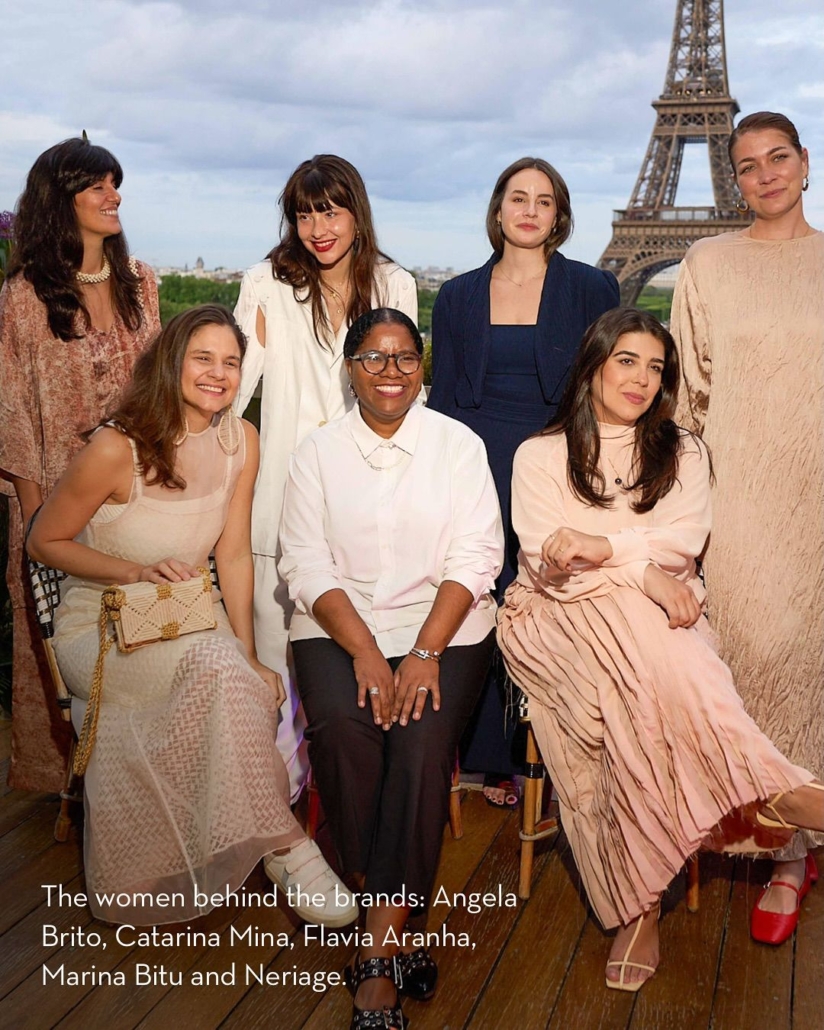
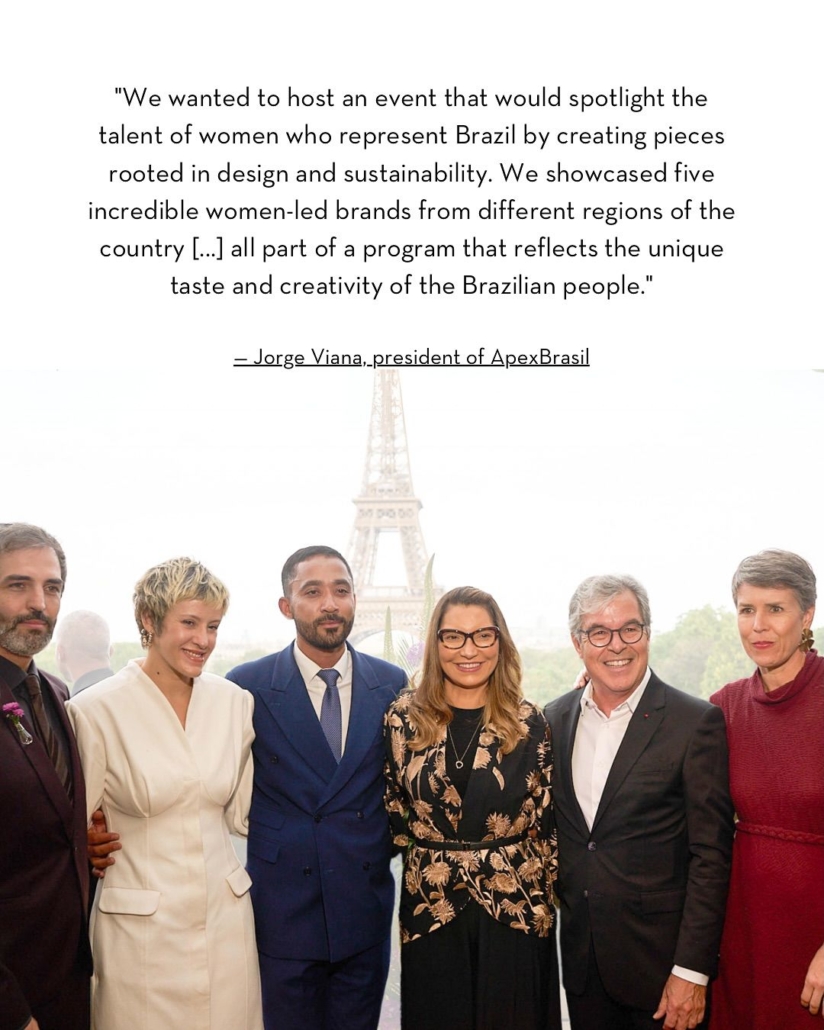
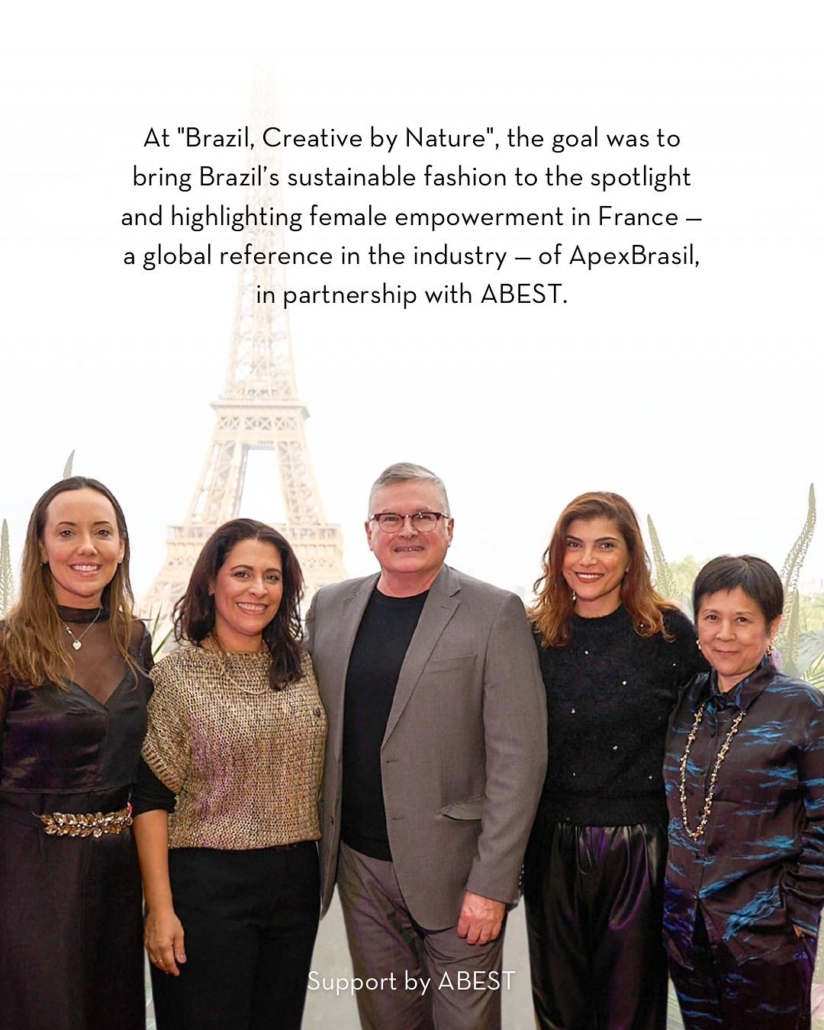
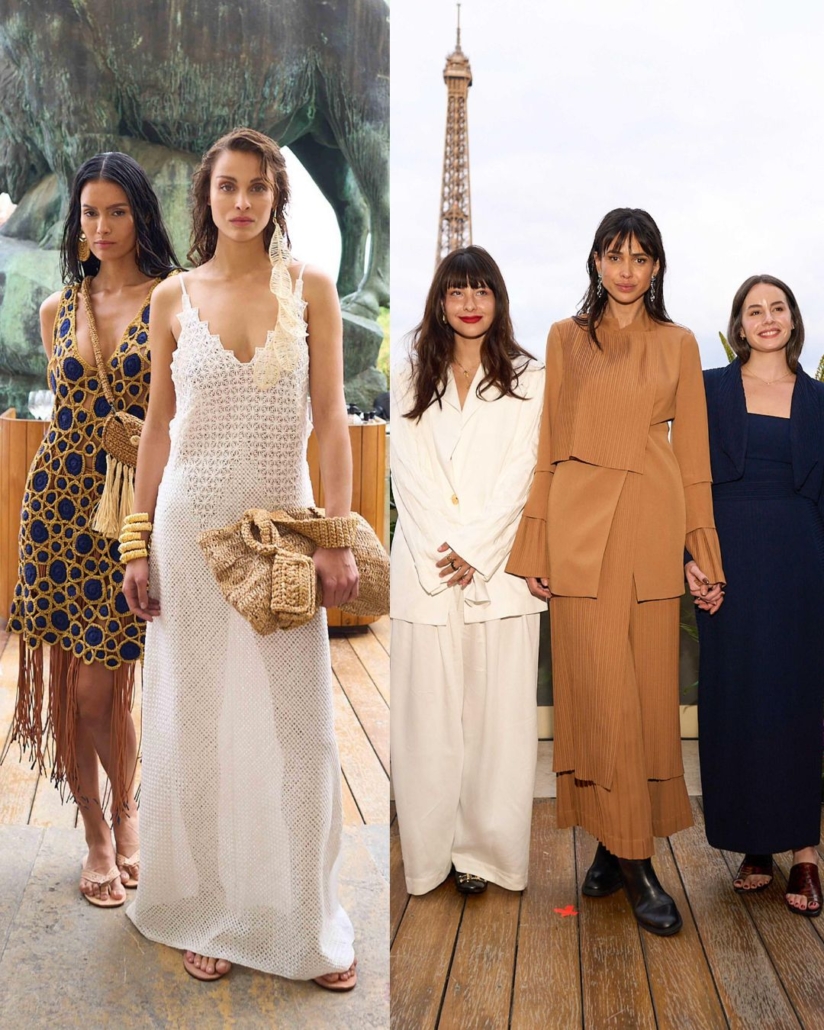
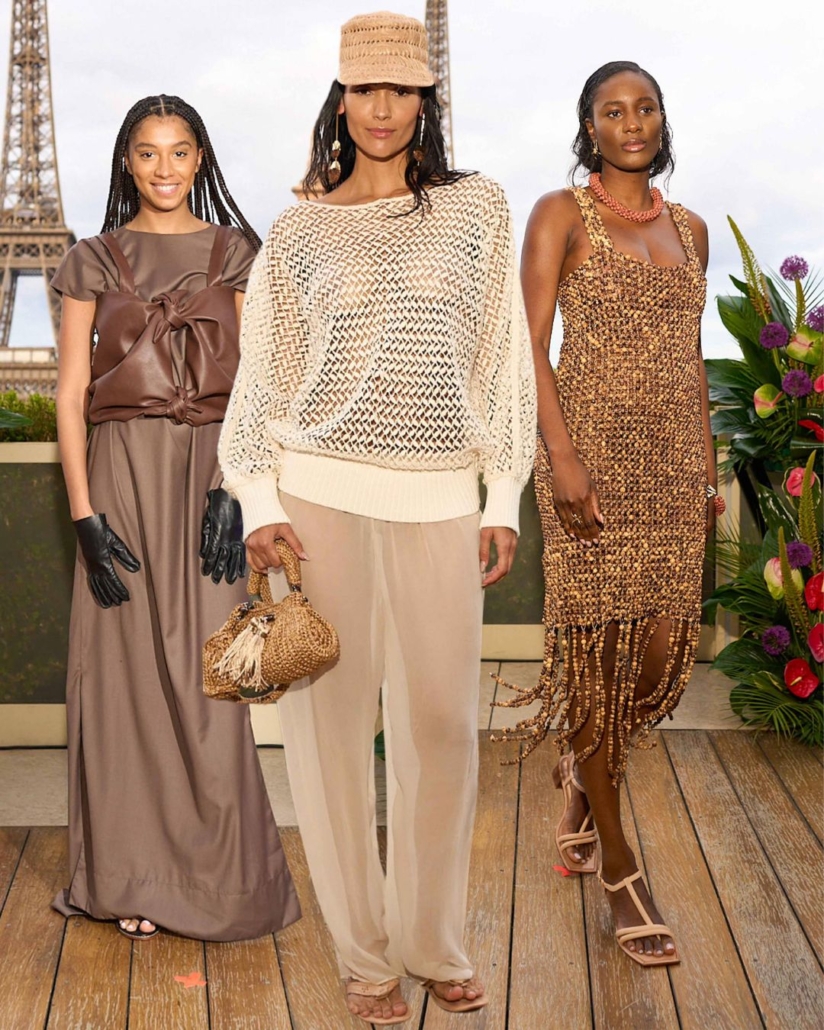
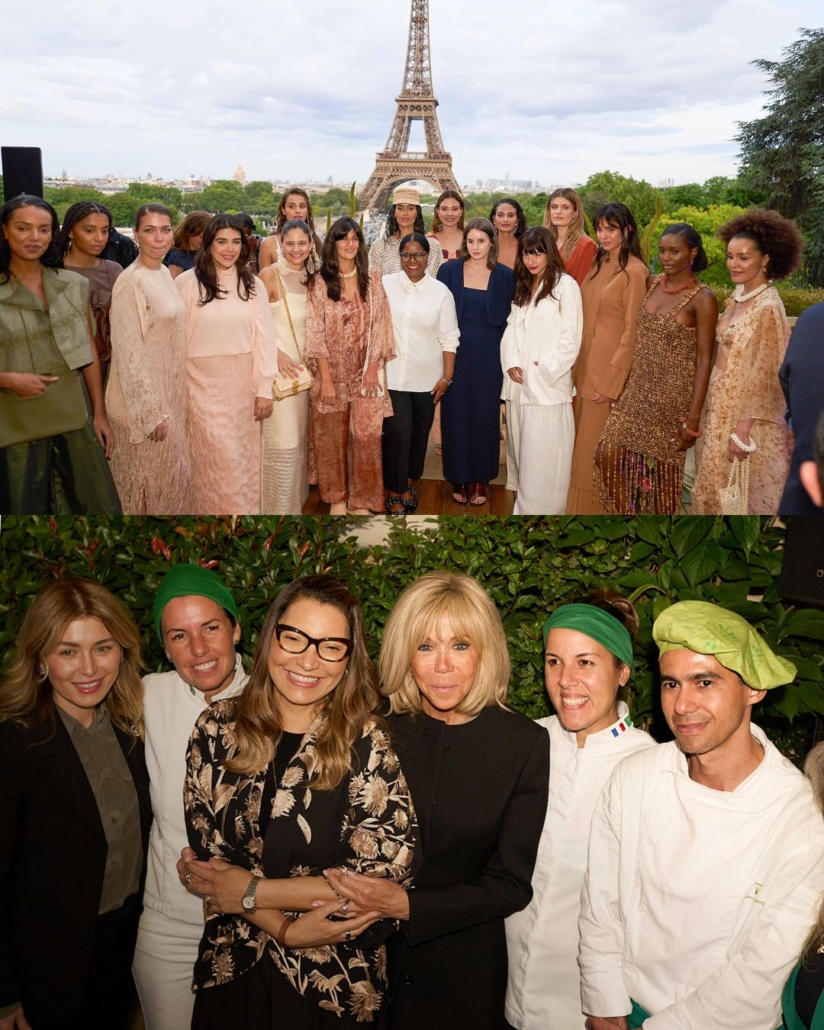
Last night at Caté de l’Homme in Paris, we celebrated the strength of female creativity at Brasil, Criativo por Natureza – an event presented by @ApexBrasil and @ABESTOficial.
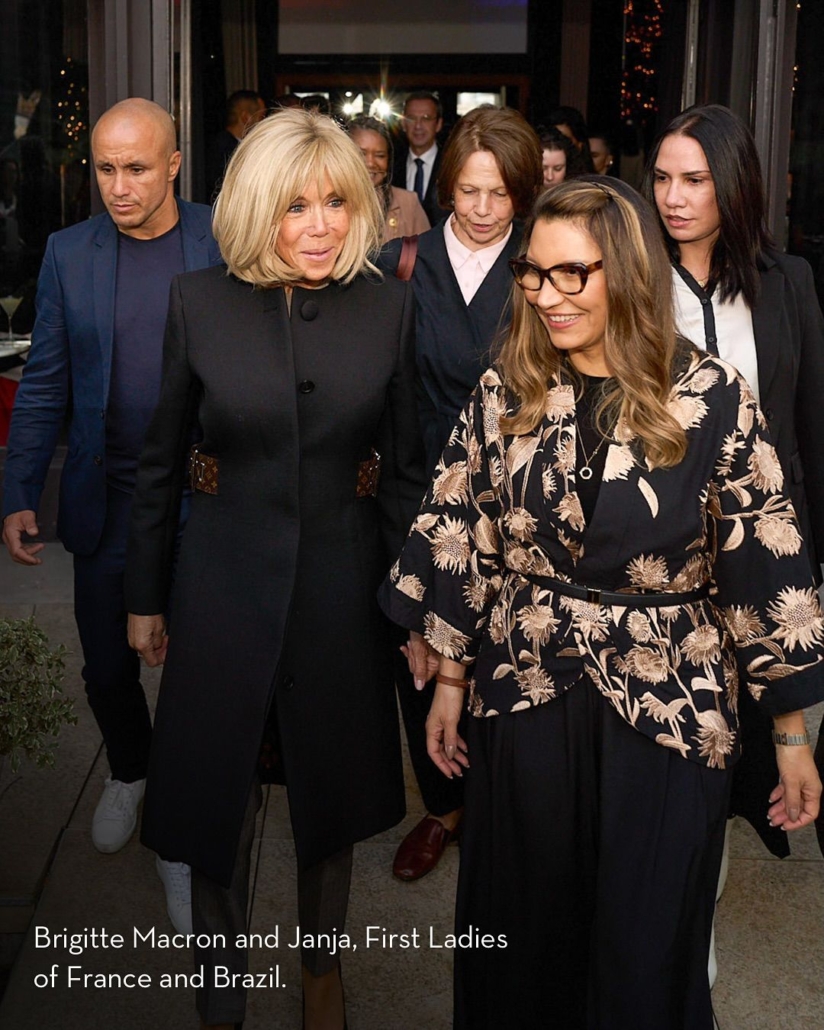
With the First Ladies of Brazil and France, the event highlighted fashion, art, and culture to amplify the global presence of Brazilian brands with labels led by incredible women: @angelabritobrand, @catarinamina (by Celina Hissa), @flaviaaranha_, @marinabitu, and @neriage (by Rafaella Caniello).
The evening also received international buyers, creative directors from top fashion houses, PR leaders, fashion editors, and key players in the global fashion circuit.
Curated by @oliviamerquior and @brunosimoes.atelie and a culinary experience by @chefmorenaleite, the night revealed Brazil’s creative force.
Thank you to the executive and creative production by @jonathan_marquesdafonseca and the thoughtful styling by @ludatonseca.
https://abest.com.br/wp-content/uploads/2025/06/de.jpg7001000abehttps://abest.com.br/wp-content/uploads/2024/06/abest-logo-300x227.pngabe2025-06-13 12:13:322025-06-22 16:17:55Brazilian Fashion Arrives in Paris
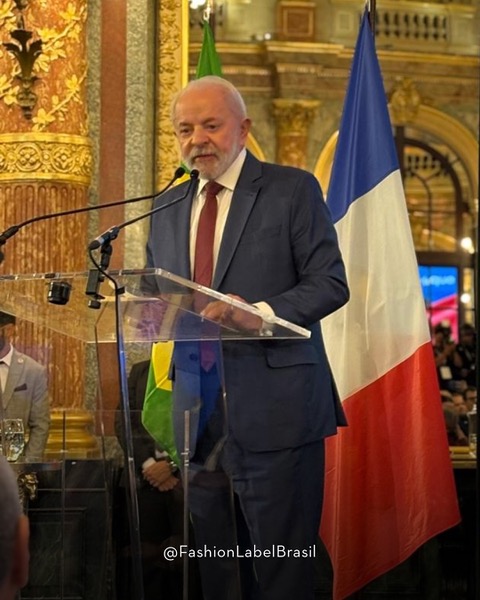
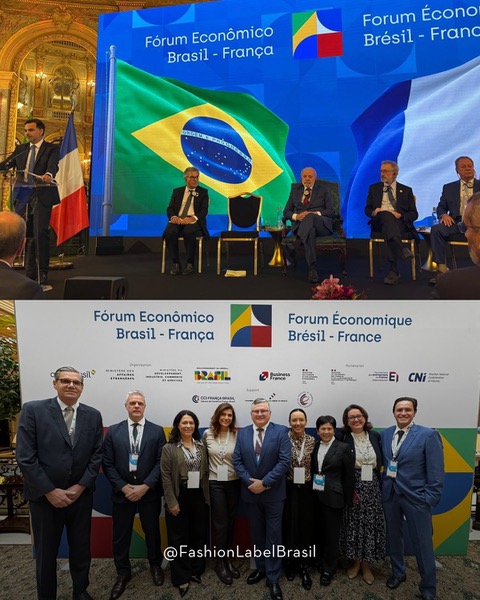
Also part of this week’s agenda in Paris, @AbestOficial joined other organizations with sectorial projects supported by @ApexBrasil — including @Abit_Brasil, @Abicalcadosoficial, @AbihpecOficial, and @BrazilianLeather — at the Brazil-France Economic Forum, which featured the presence of President Luiz Inácio Lula da Silva.
This meeting served as a strategic step toward strengthening ties between the two countries.
Key highlights of the event included the importance of the Mercosur–European Union agreement and the united efforts of both nations in tackling climate change, among the forum’s most significant outcomes.
https://abest.com.br/wp-content/uploads/2025/06/destaq.jpg7001000abehttps://abest.com.br/wp-content/uploads/2024/06/abest-logo-300x227.pngabe2025-06-13 10:40:252025-06-13 10:45:05Brazil-France Economic Forum
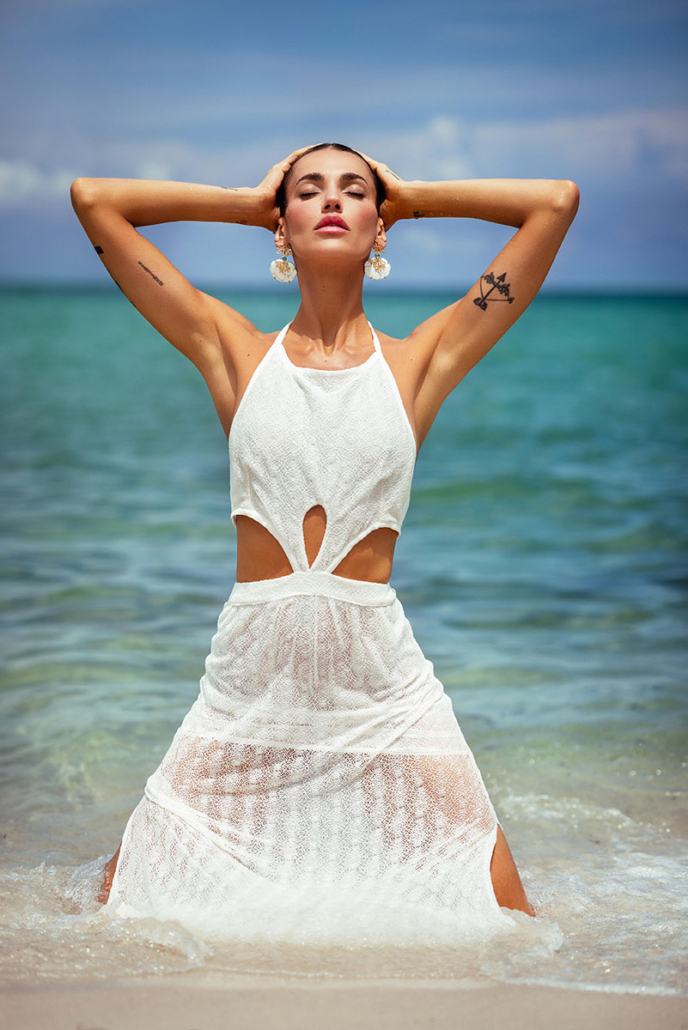
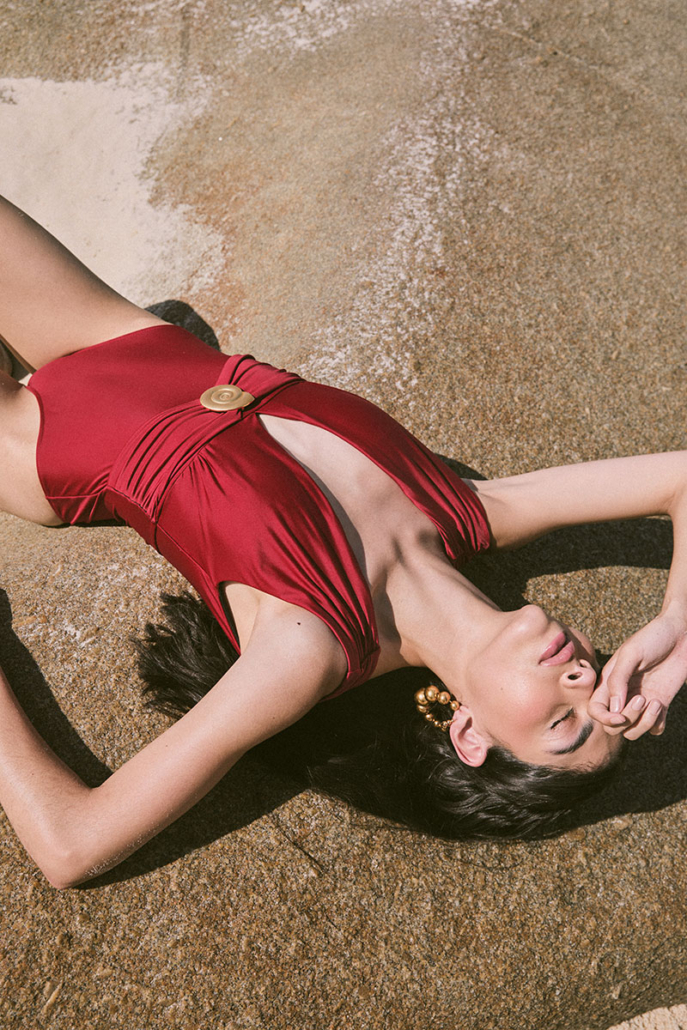
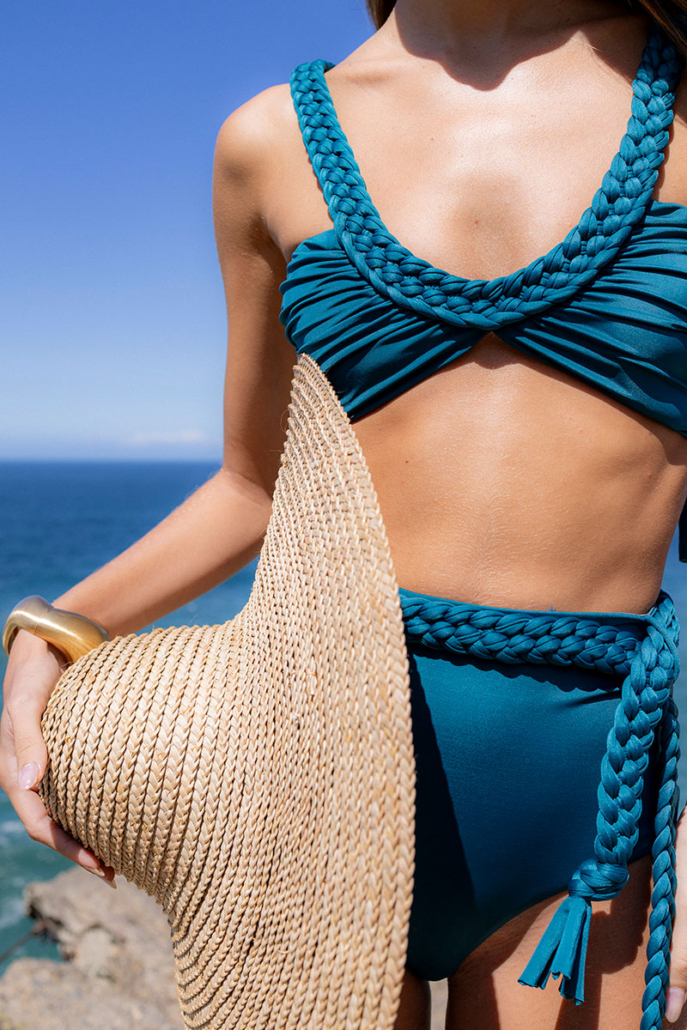
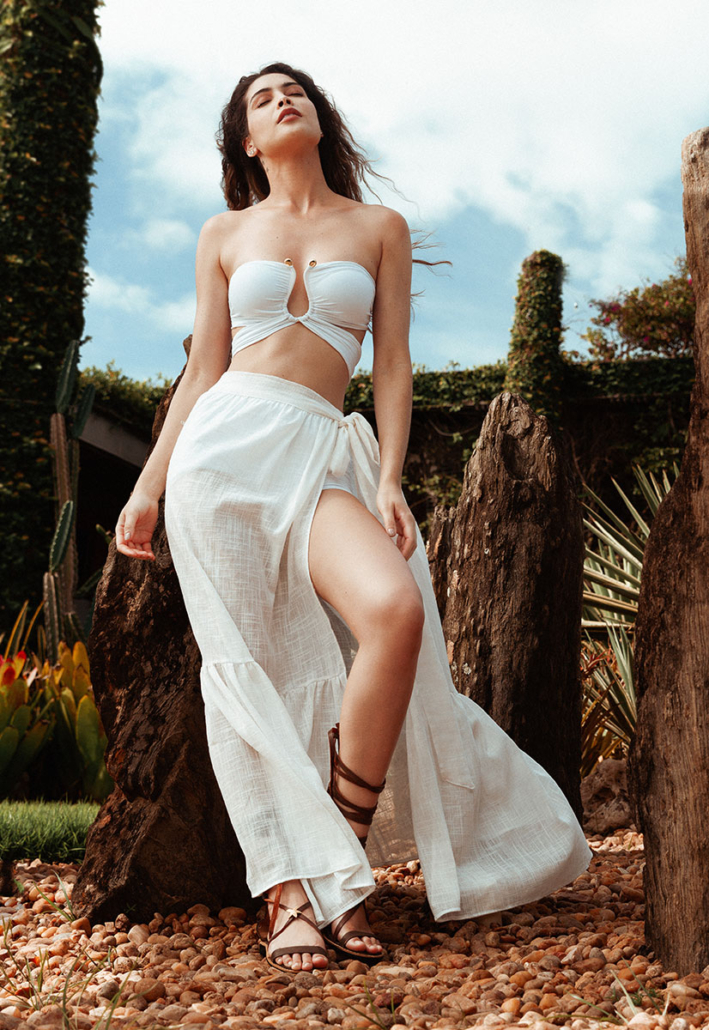
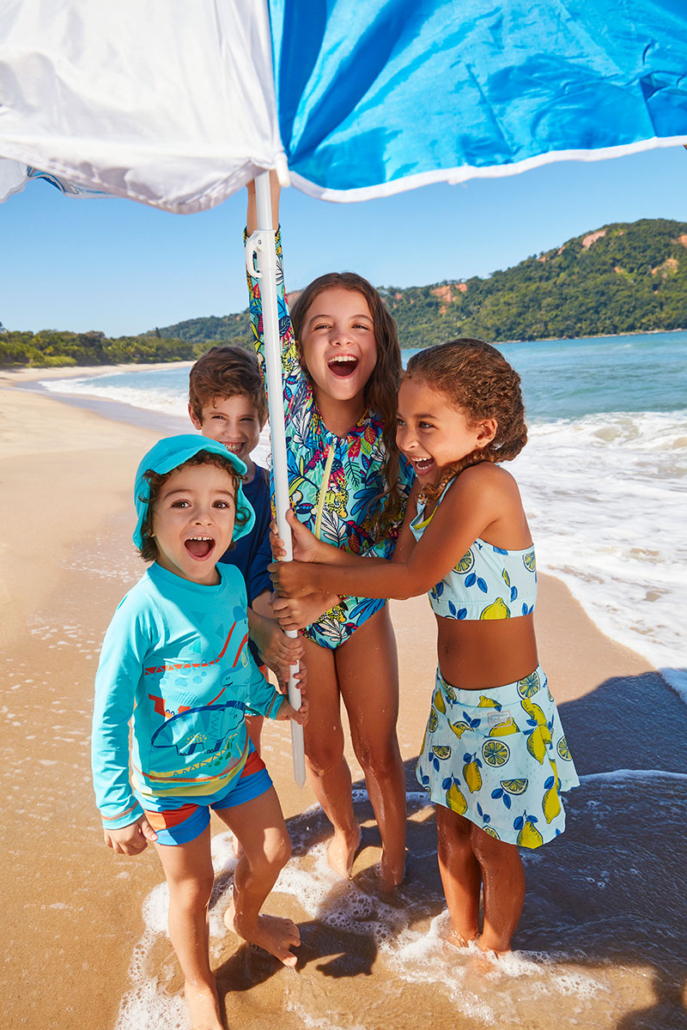
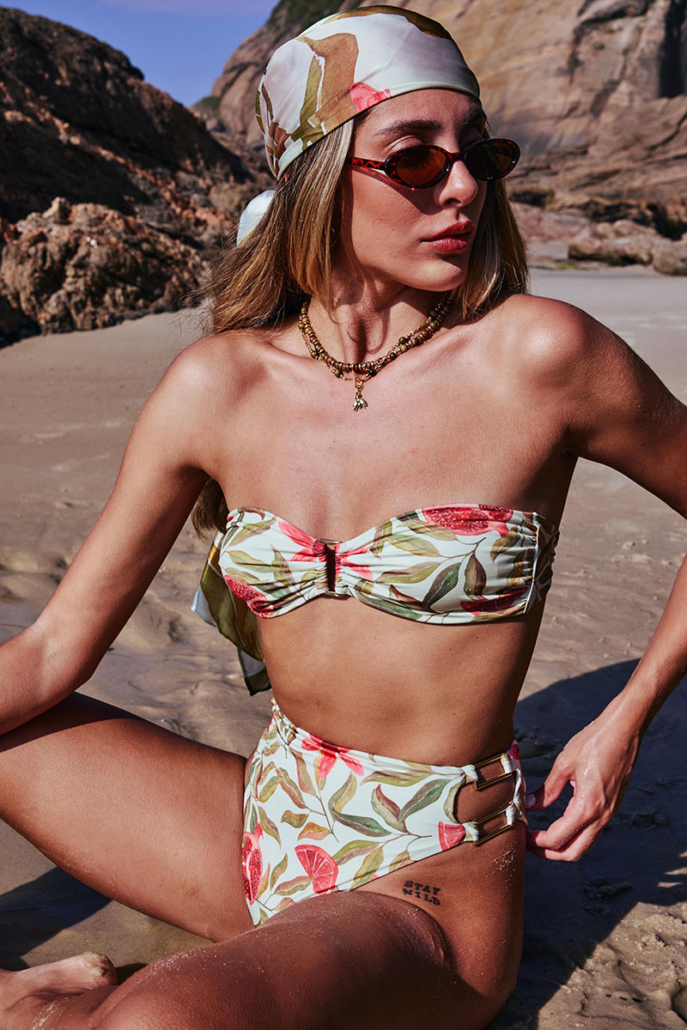
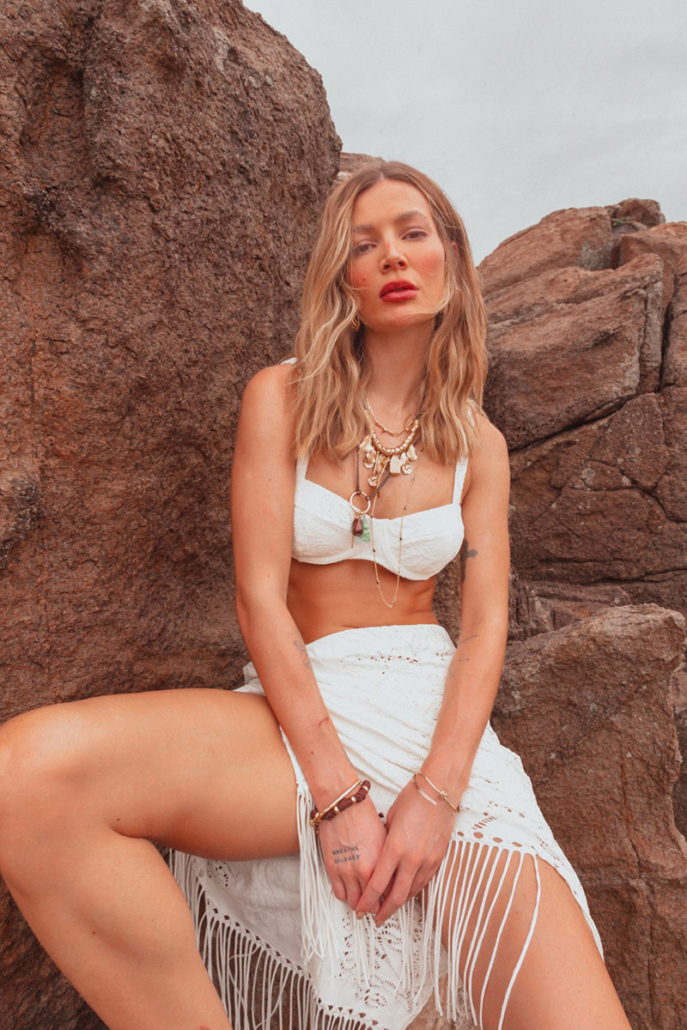
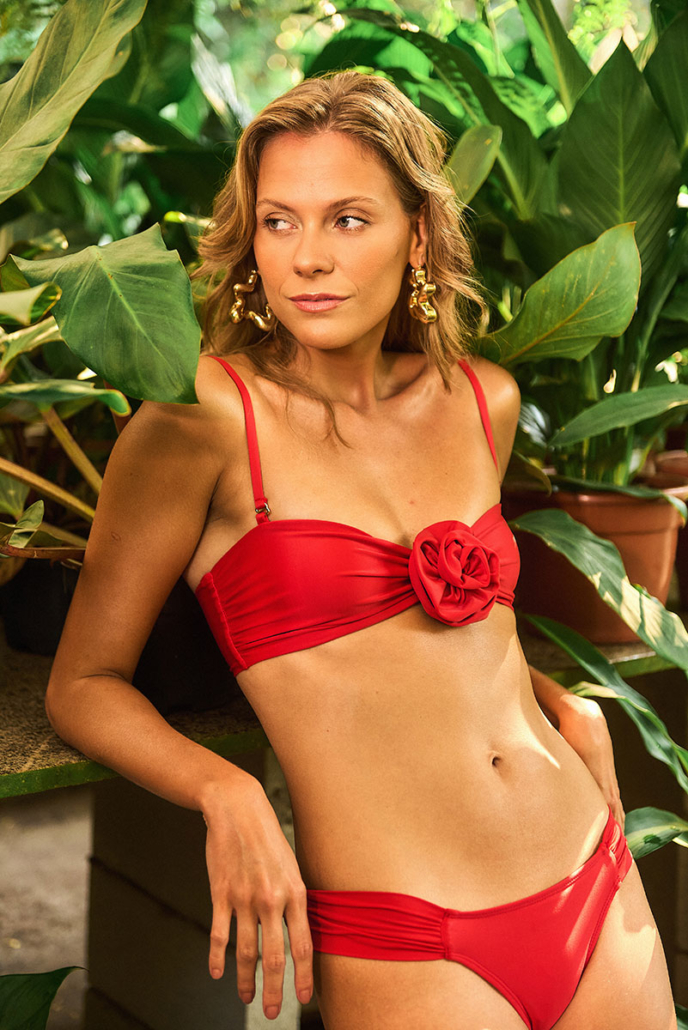
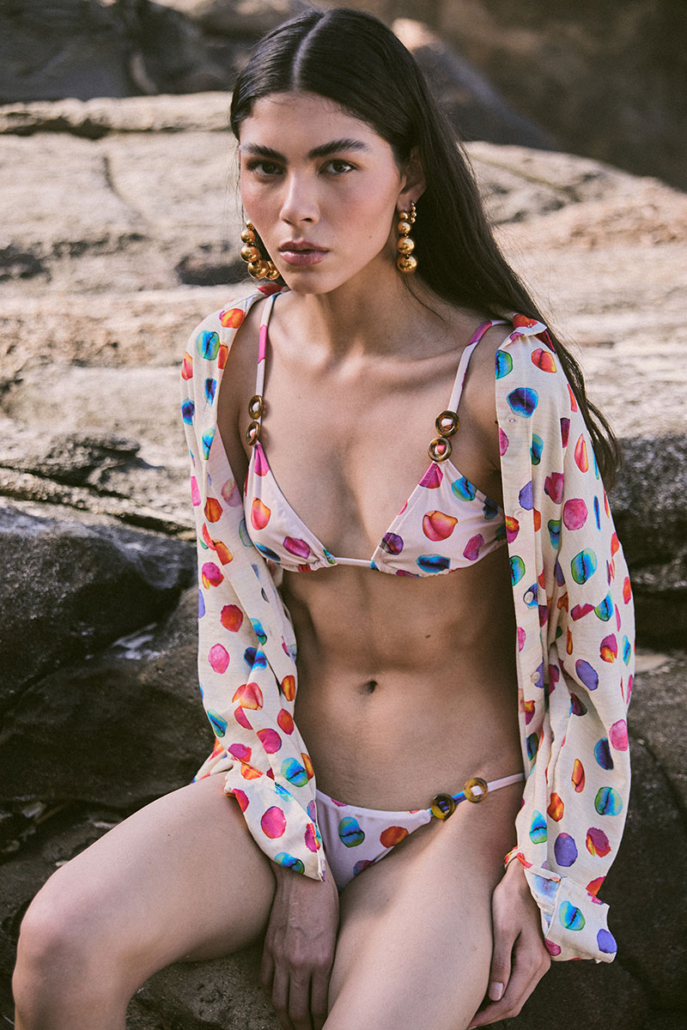
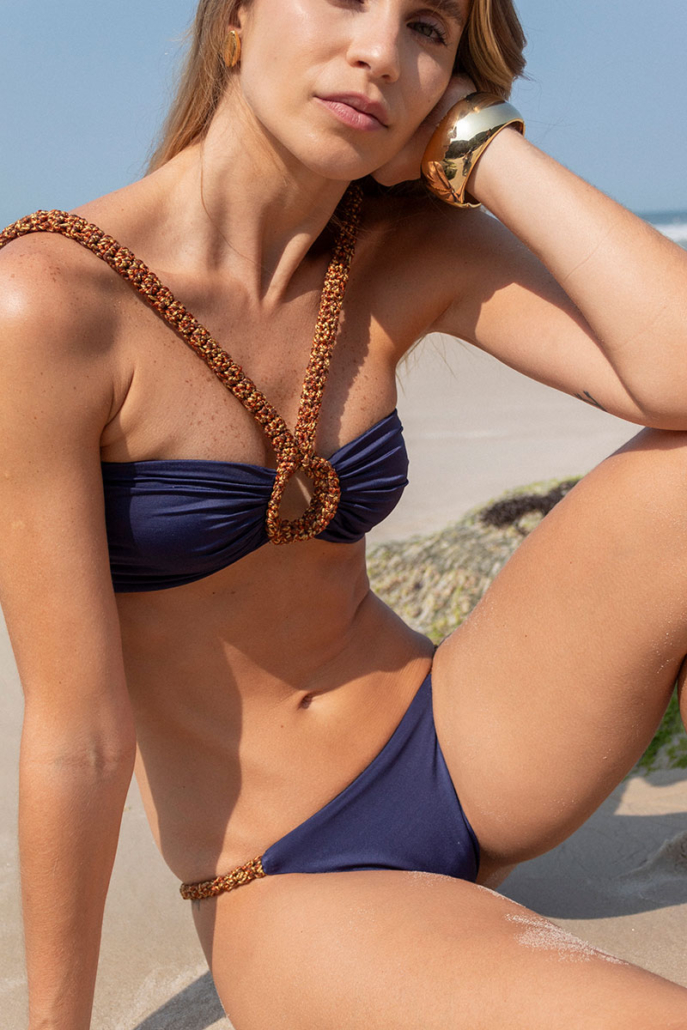
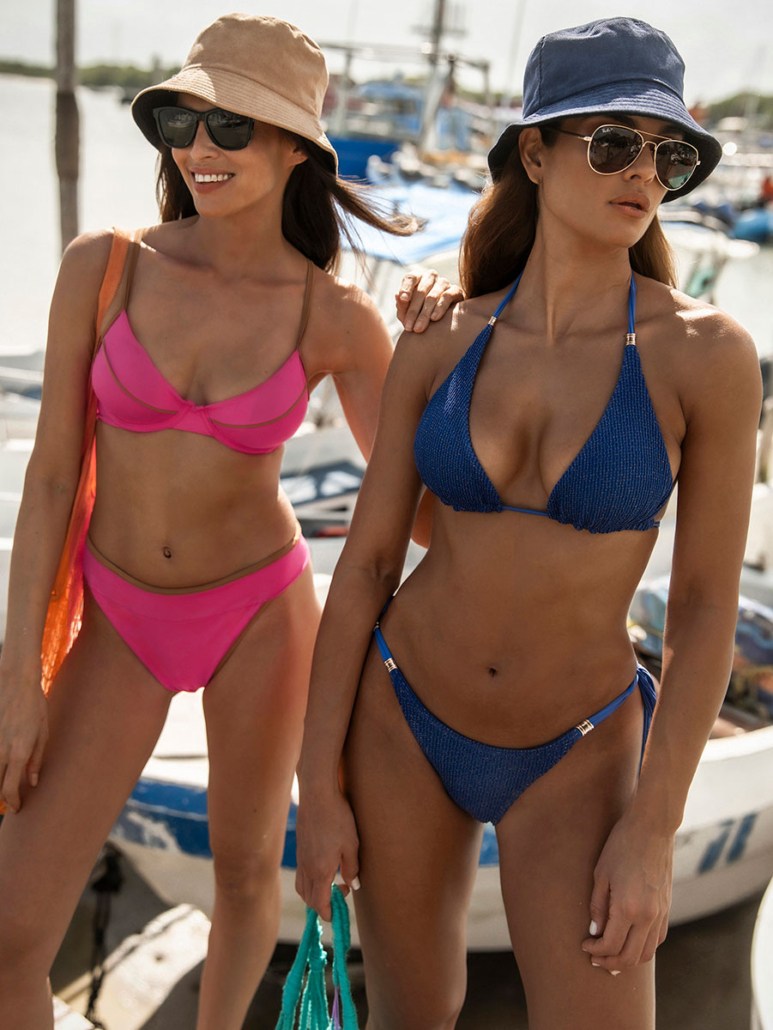
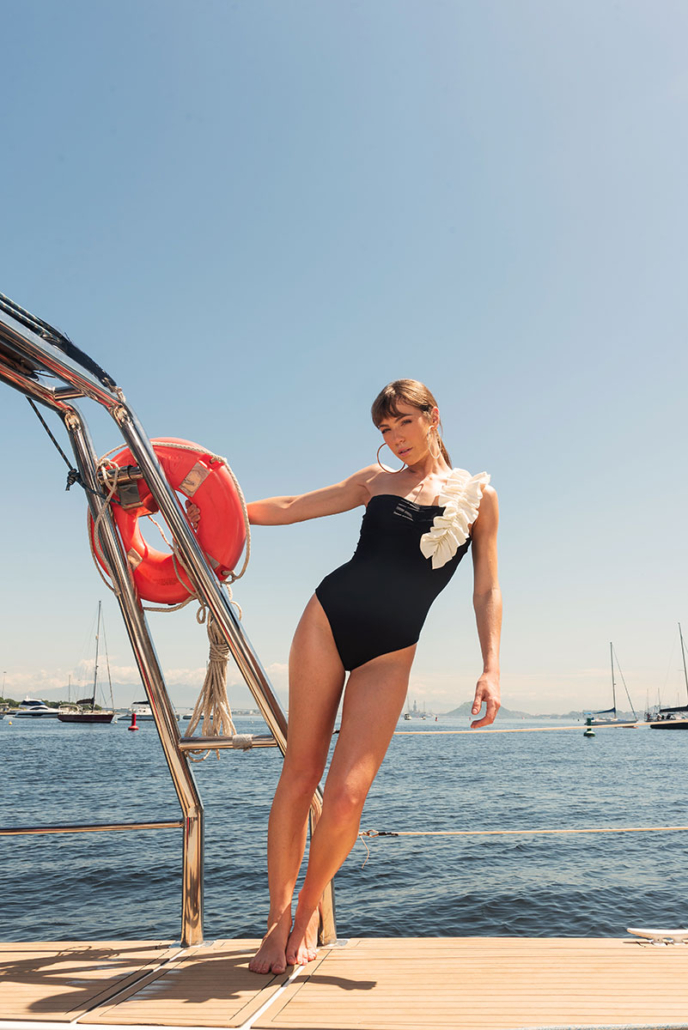
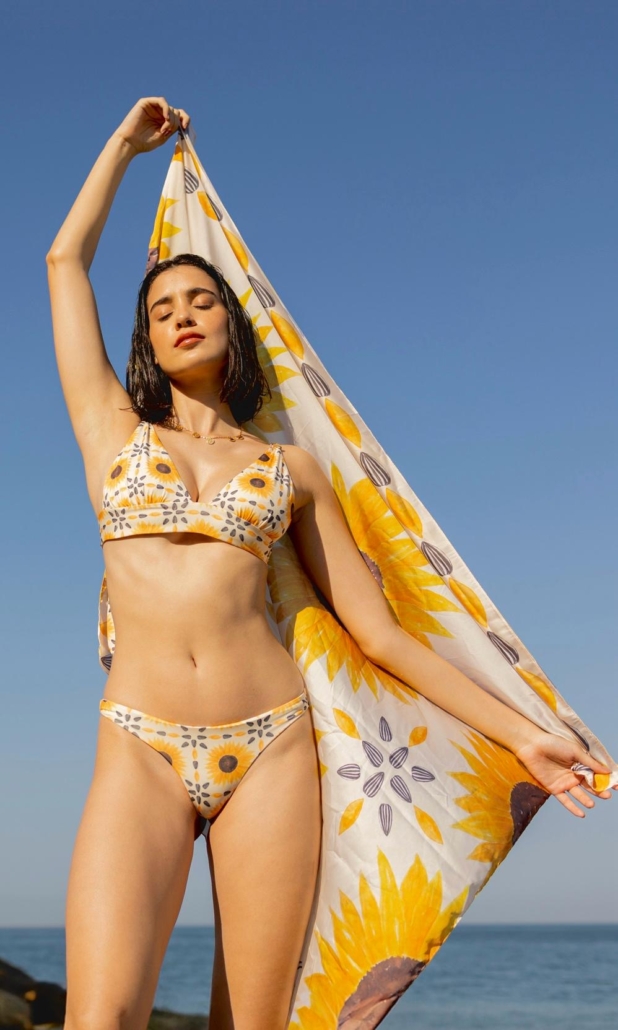
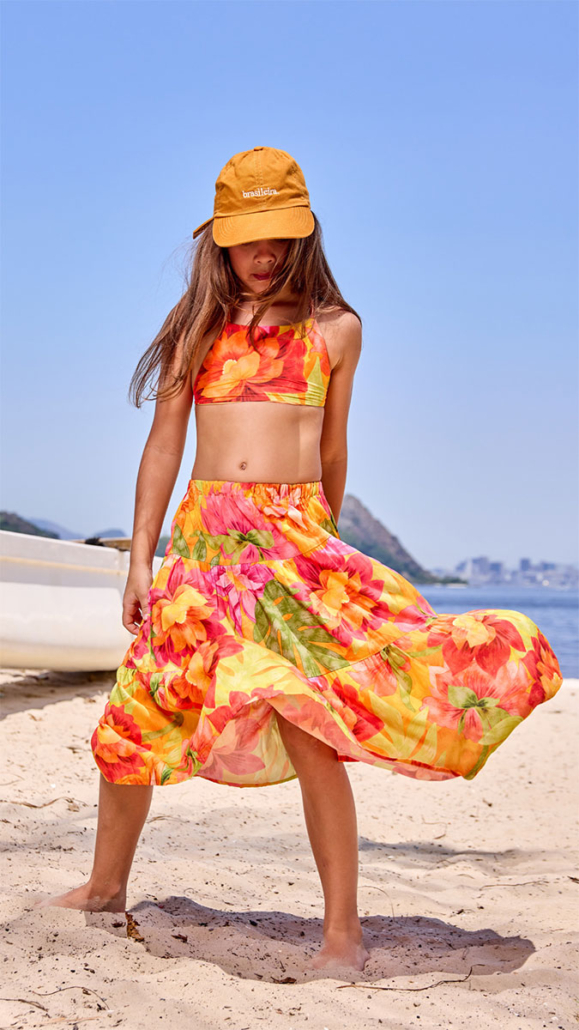
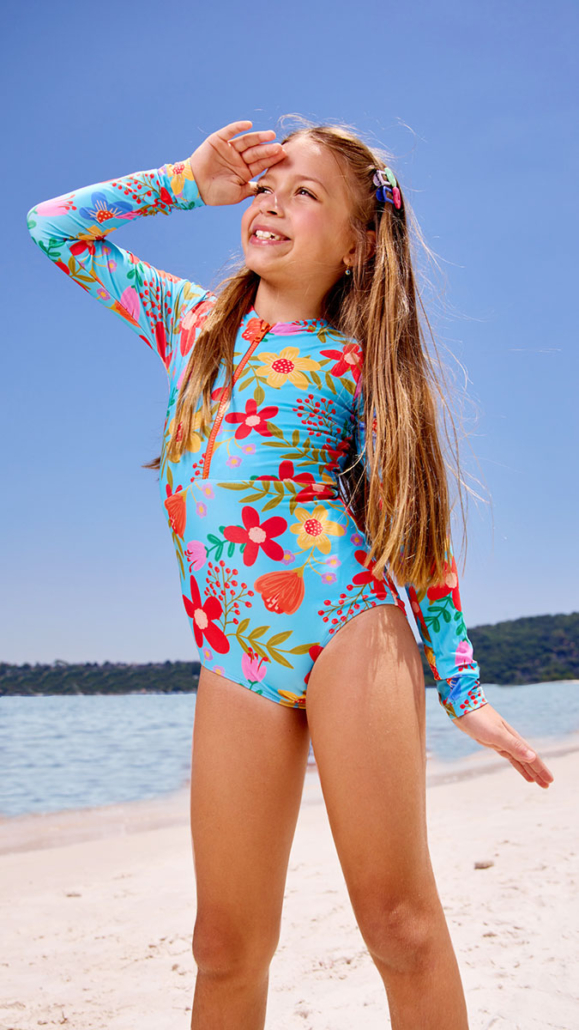
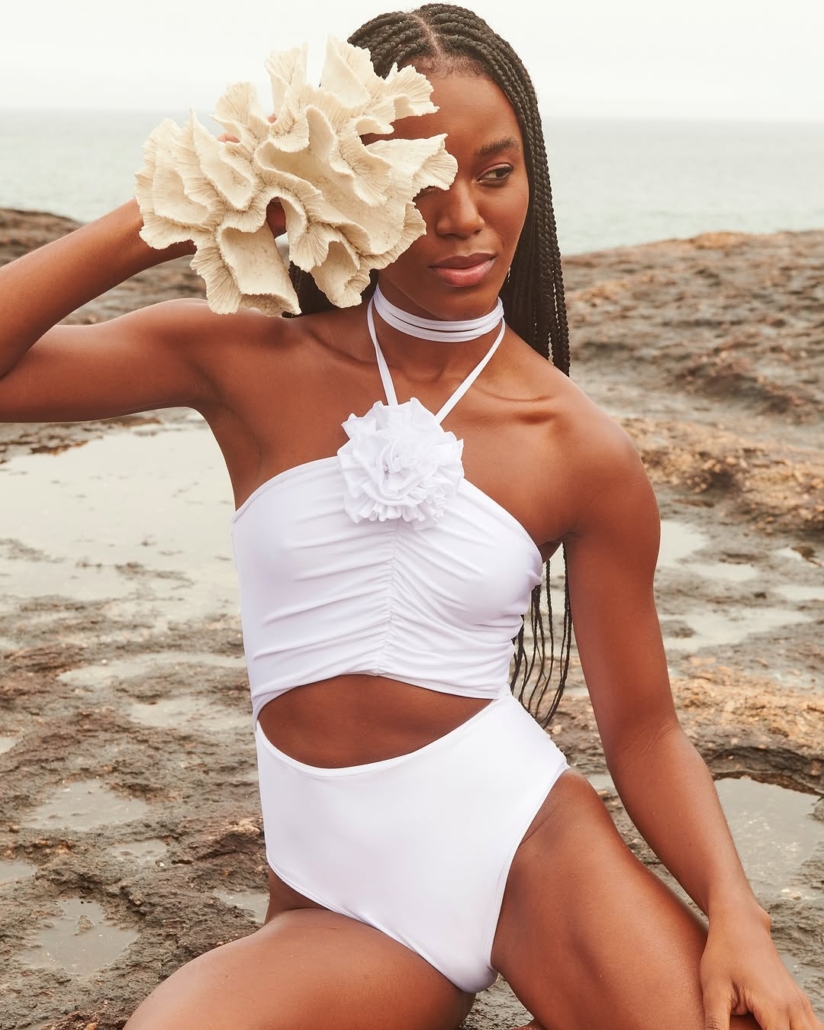
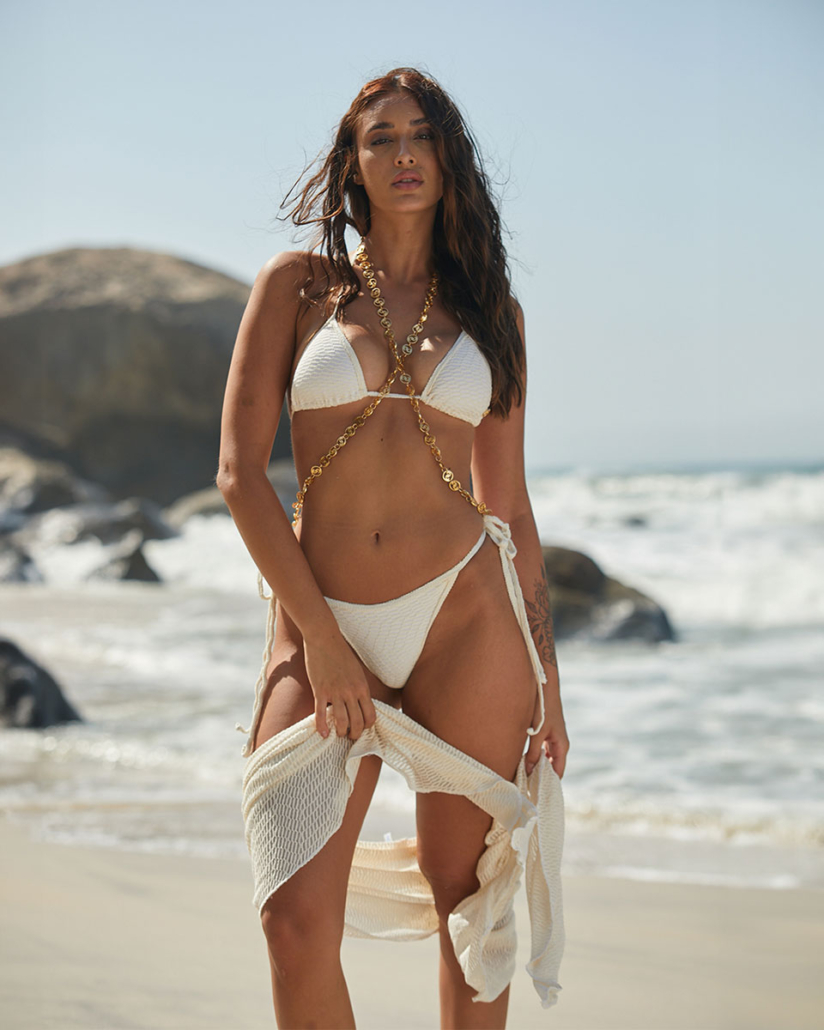
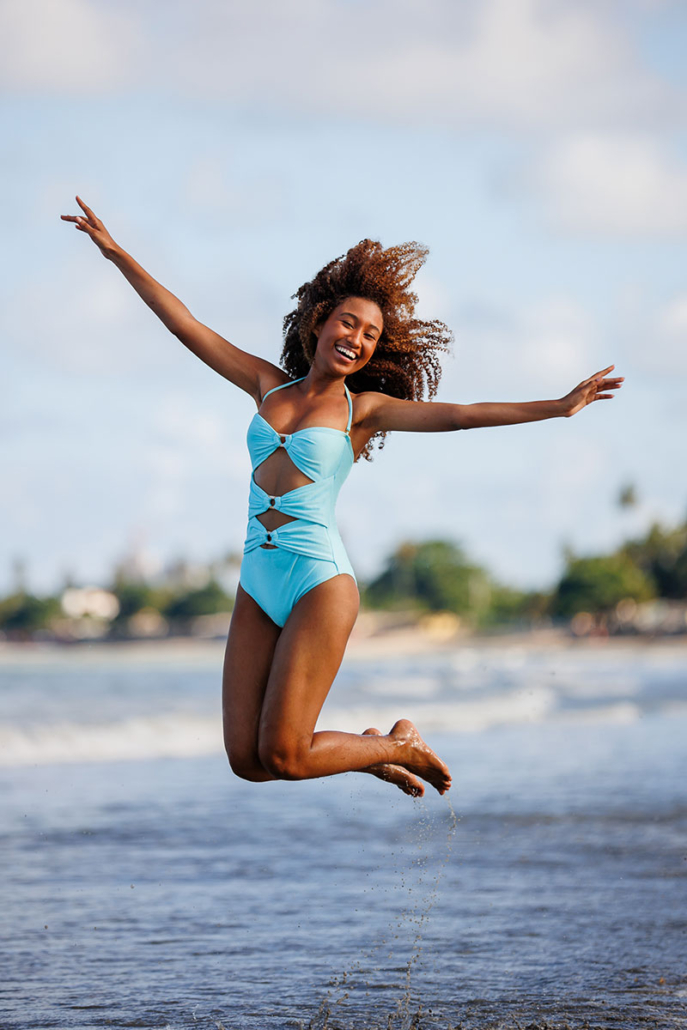
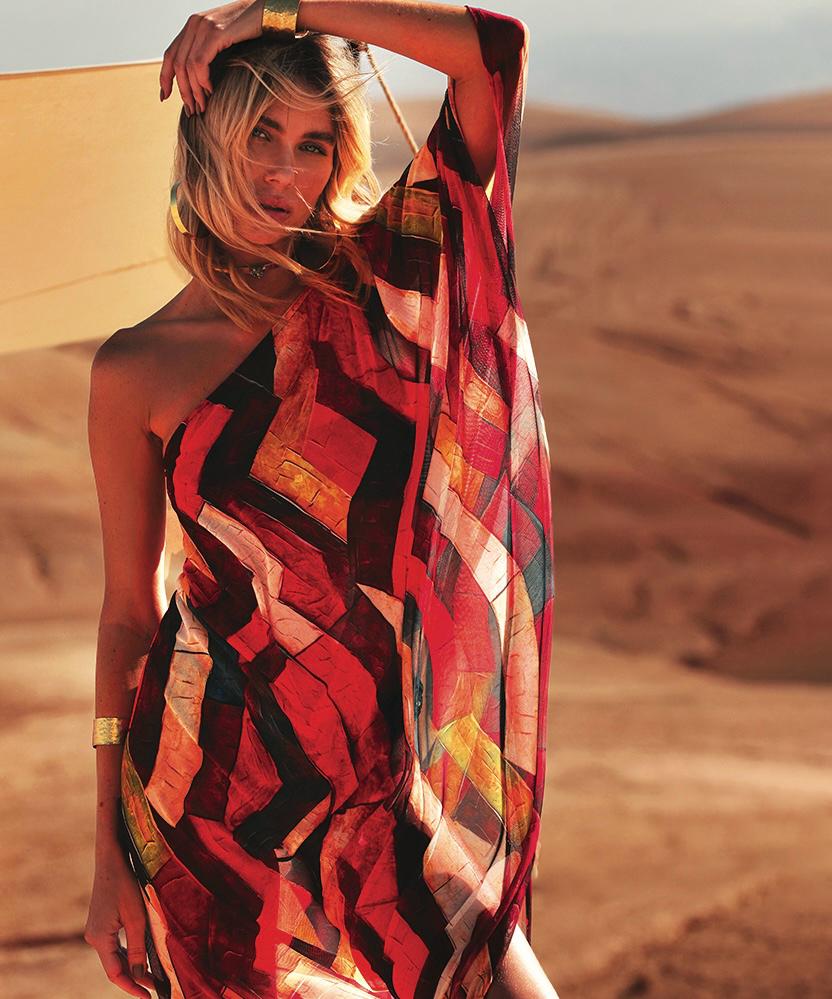
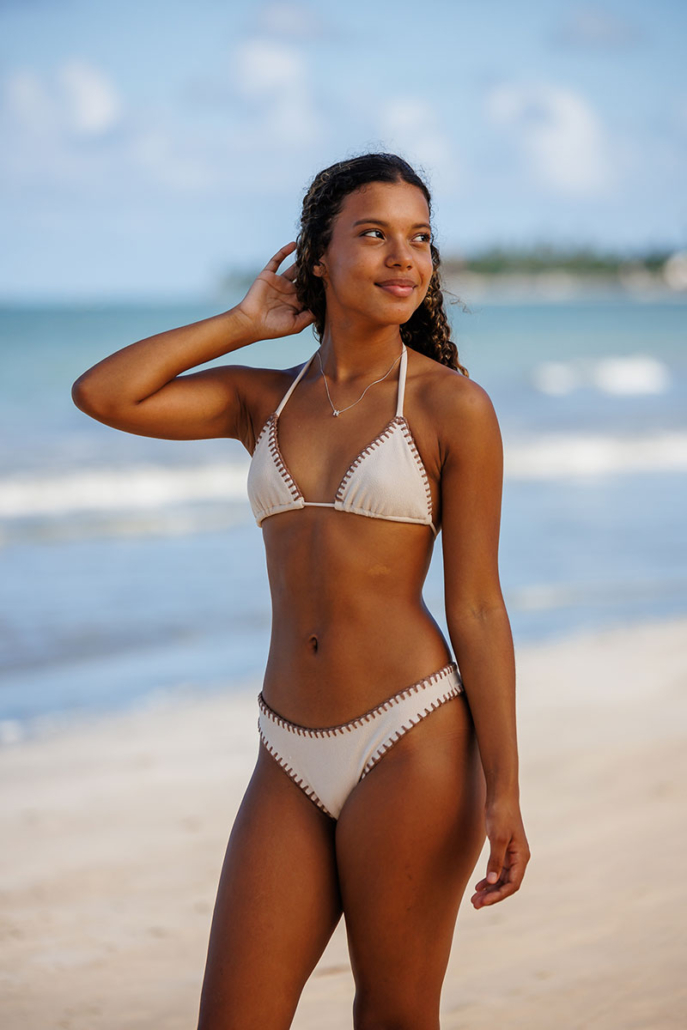
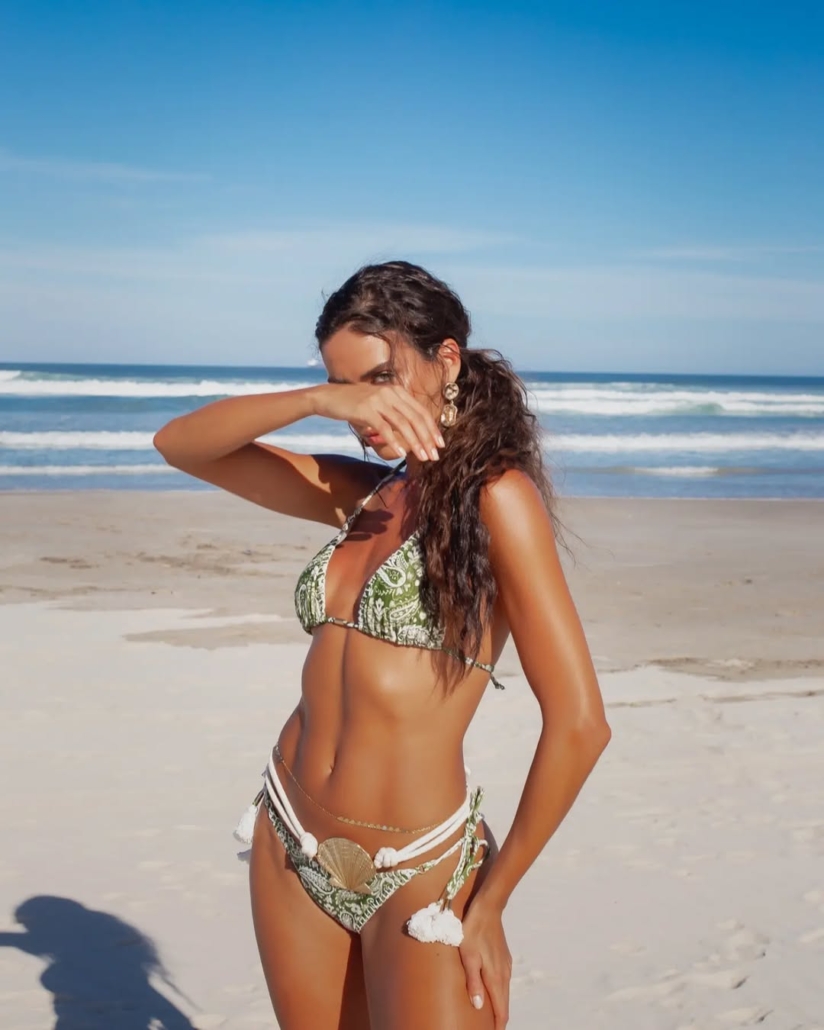
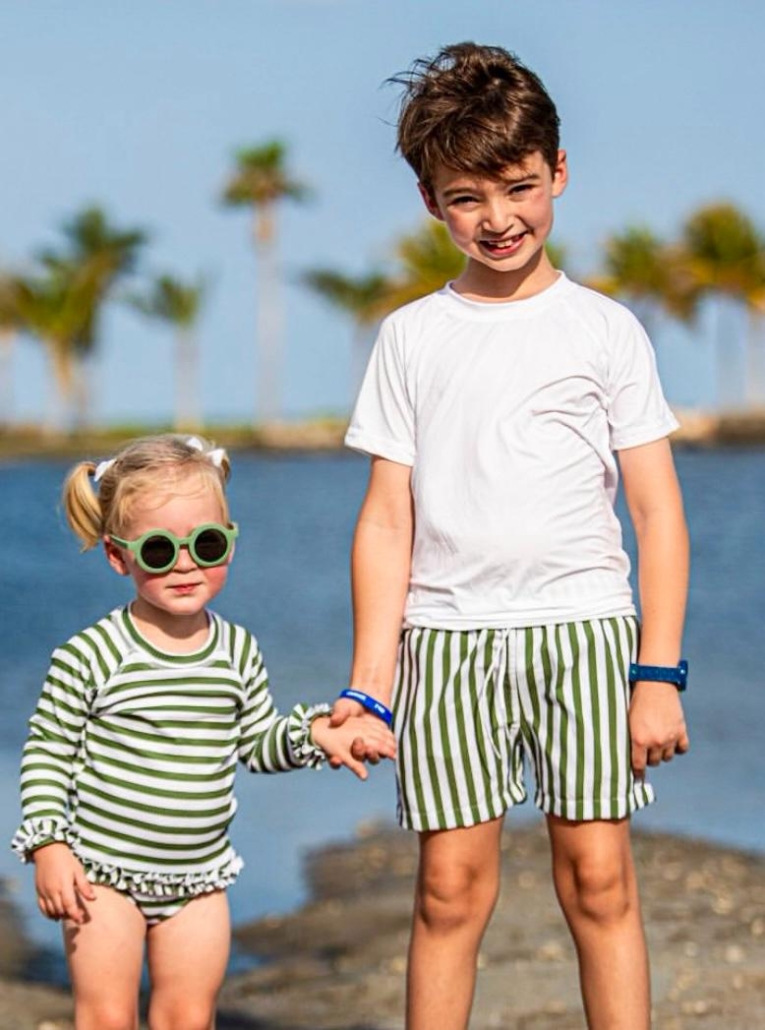
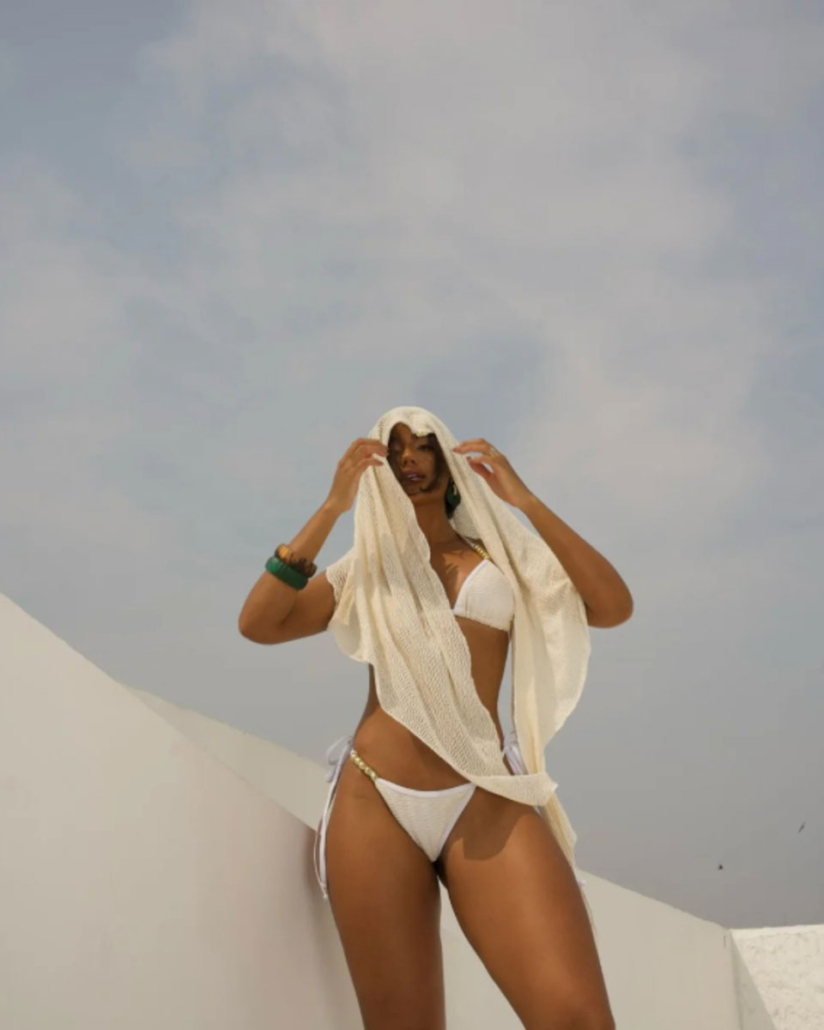
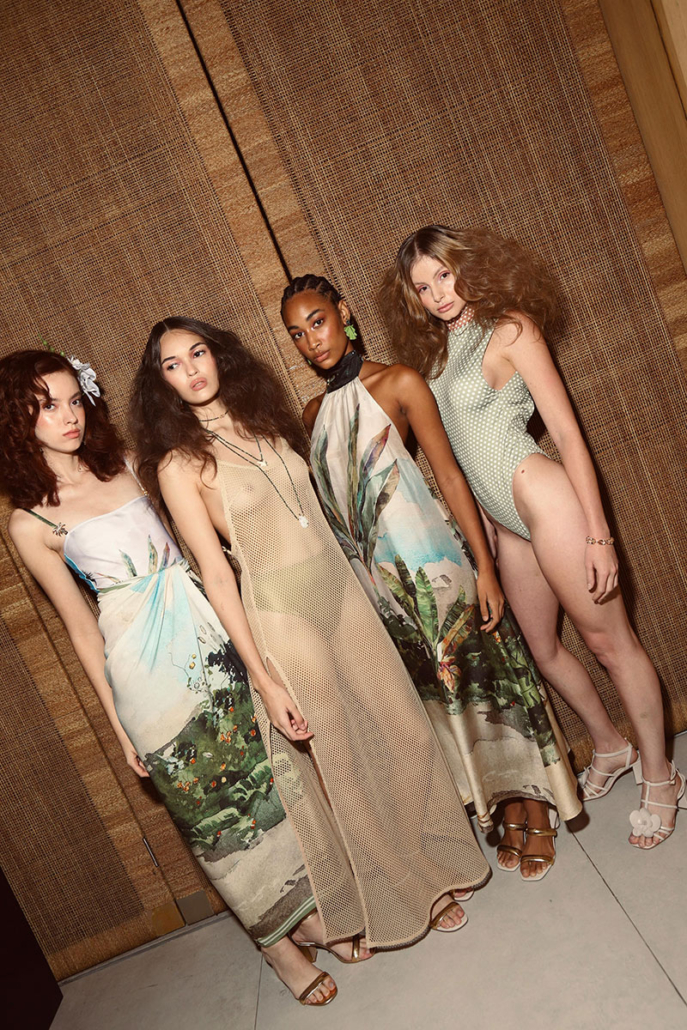
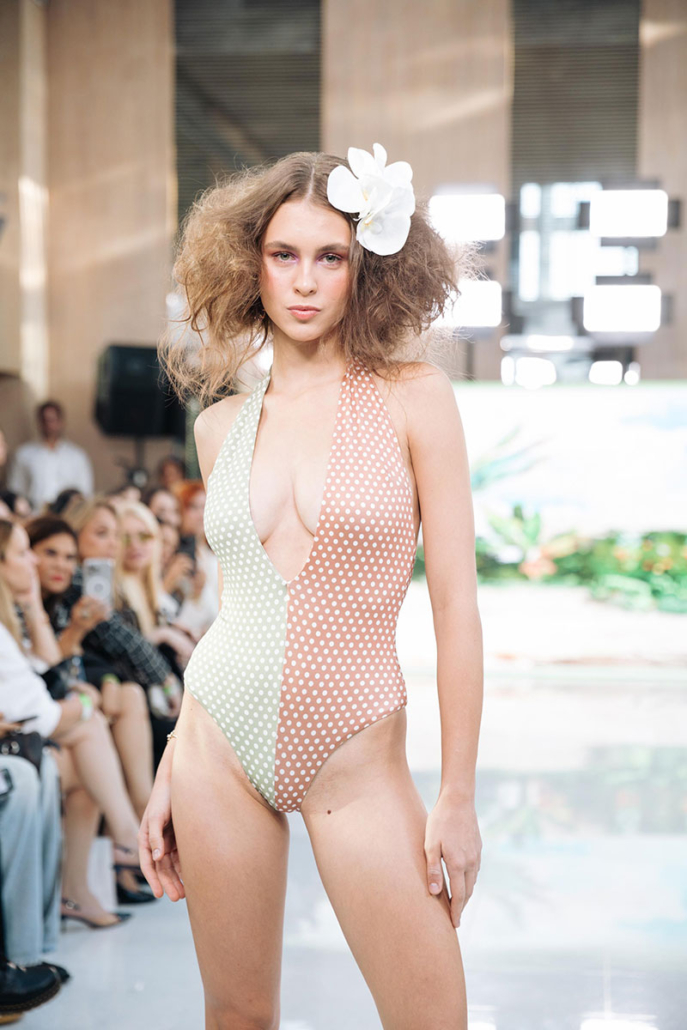
There are many fashion styles around the world, but beachwear truly pulses in our DNA. With over 7,000 kilometers of richly diverse coastline, Brazil is undeniably a beach country — relaxed, sunny, and creative. Our ability to craft the perfect seaside design is one of our many strengths. That’s why we proudly support the 43 Brazilian beachwear brands participating in Miami Swim Week 2025, at the Cabana Show and SwimShow trade fairs.
This year’s Miami Swim Week will take place during the peak of the American summer — from May 31 to June 2 — attracting tourists and buyers from all over the world in search of new trends. It’s a highly competitive season, but Brazil’s swimwear sector continues to evolve, gaining space and recognition in international markets.
Each of the 43 participating brands — representing every region from North to South of Brazil — is supported by internationalization programs Fashion Label Brasil and Texbrasil. These initiatives are developed through partnerships between ApexBrasil (Brazilian Trade and Investment Promotion Agency), Abest (Brazilian Association of Fashion Designers), and Abit (Brazilian Textile and Apparel Industry Association).
Cabana Show
“Cabana Show is one of the most respected and sought-after premium beachwear fairs in the industry, known for its highly selective curation. We are proud to witness, year after year, the growing presence of Brazilian beachwear and resort brands selected to participate — expanding their international reach,”
says Aurea Yamashita, Director of International Promotion and Business at ABEST.
This edition, Fashion Label Brasil will support 24 brands:
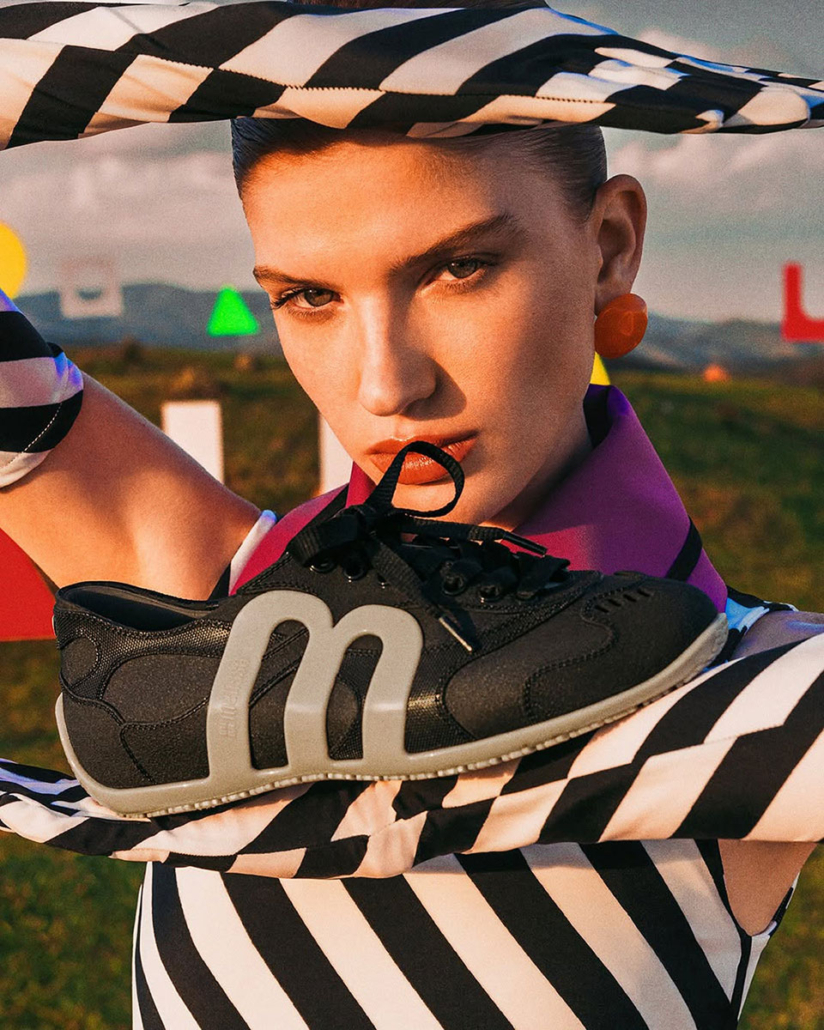
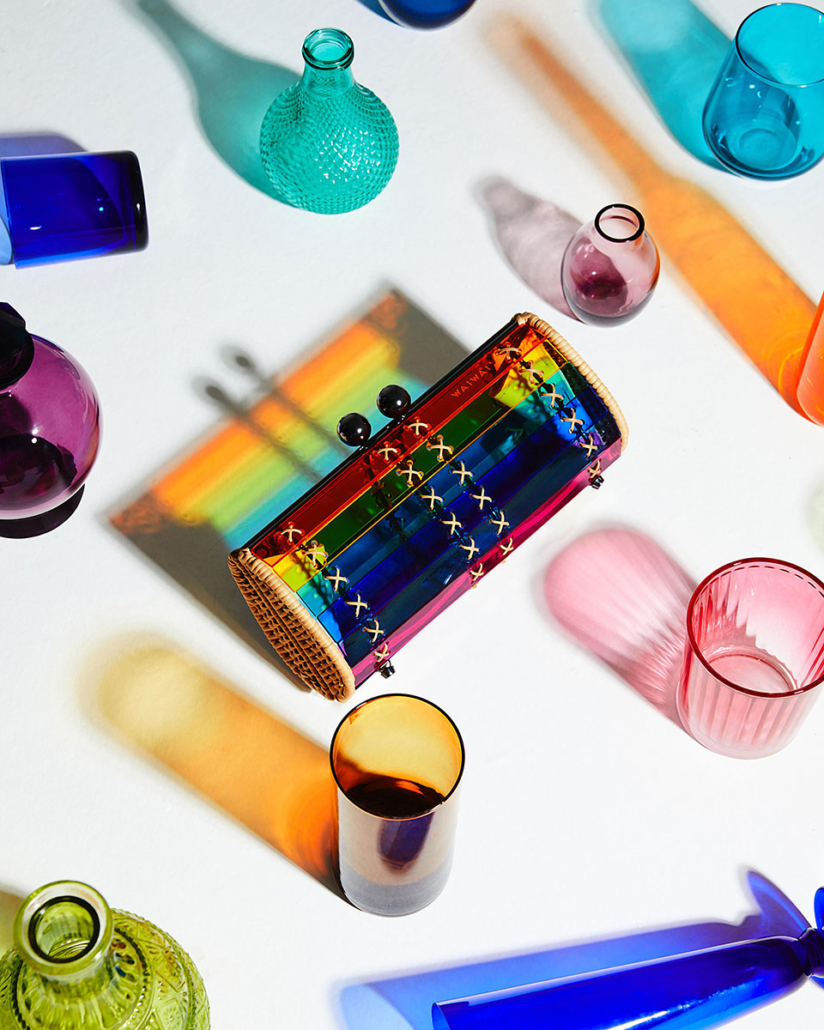
Água de Coco, Catarina Mina, Cecilia Prado, Cristina Sabatini, Despi, Dress To, Gapaz, La Sirene, Lavish, Lis Fiaschi, Lenny Niemeyer, Maria Sanz, Melissa, Nau Bikinis, Parioca, PatBO, Serpui, Sinesia Karol, Sophia Hegg, Triya, Vix, WaiWai, Yukio, and Zoew.
Swimshow
“Miami SwimShow is one of the most important events on the global swimwear calendar, gathering brands, journalists, and international buyers. We’ll be present with a curated selection of high-quality products, helping reinforce Brazilian beachwear’s presence in the global market,”
says Lilian Kaddissi, Marketing and Business Superintendent at Abit.
This edition, 19 brands supported by Texbrasil will participate in the SwimShow:
Areia Dourada, By Silvia Schaefer, Constantinopla, Das Meninas Infantil, Falésia Carioca, Guria Beachwear, Jungle Society, Kopsch, Maria Pavan, MOS Beachwear, Moulemar, Naked Swimwear, Nidas, Planet Sea, Rio de Sol, Tip Top, Via Sol Brazil, Zillê Rio, and Fíccare.
A Diversity of Styles
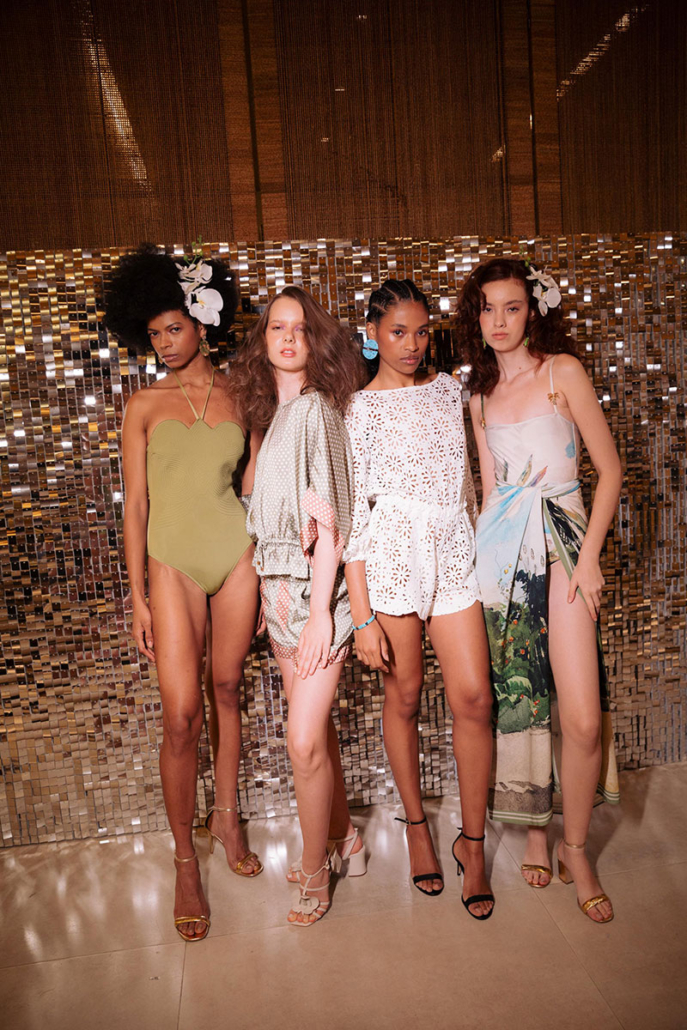
While all these brands carry the Brazilian DNA, their styles and approaches are refreshingly diverse.
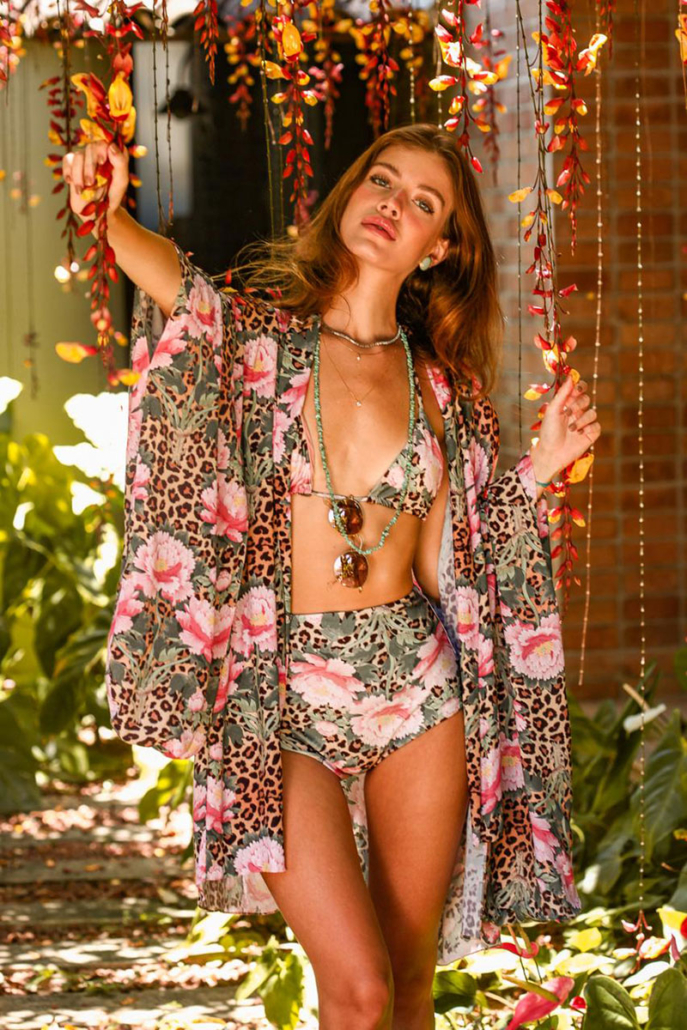
Yukio, for example, embraces a bold, glamorous look with animal prints and shimmer.
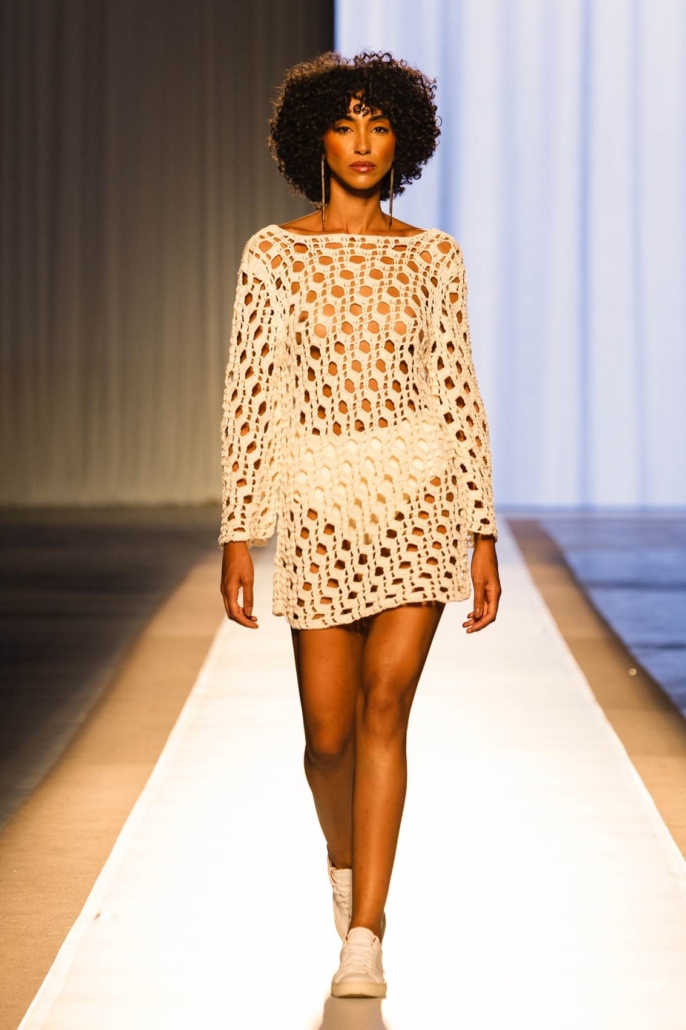
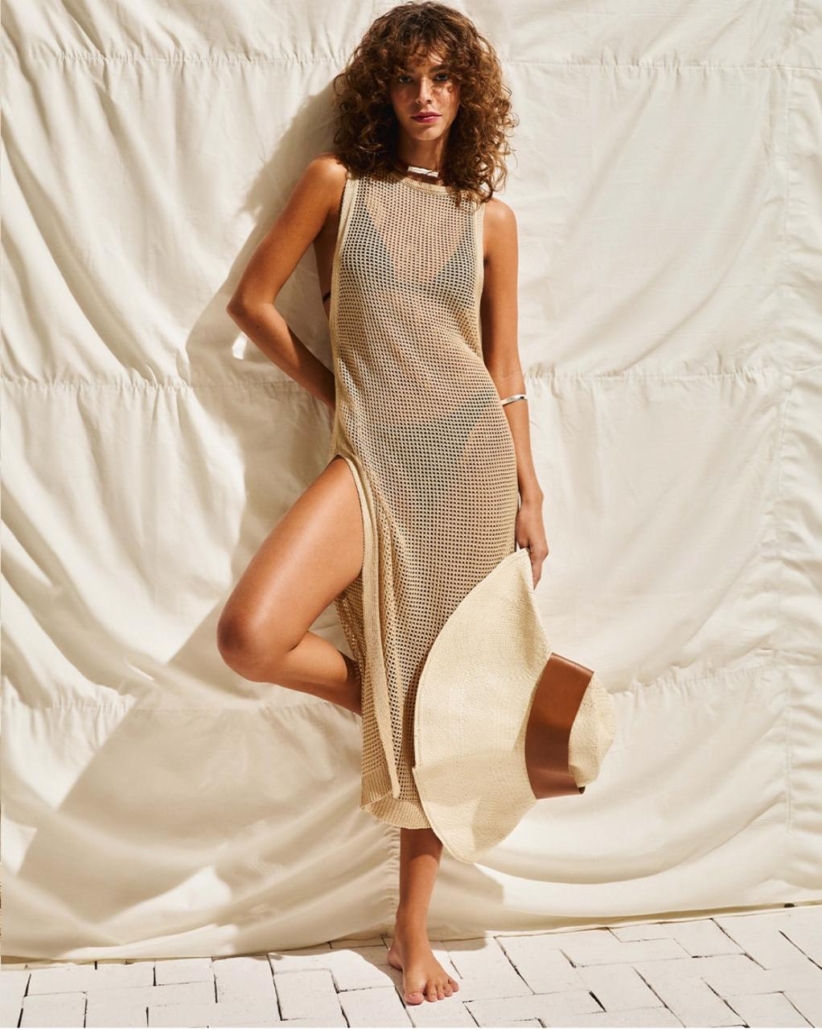
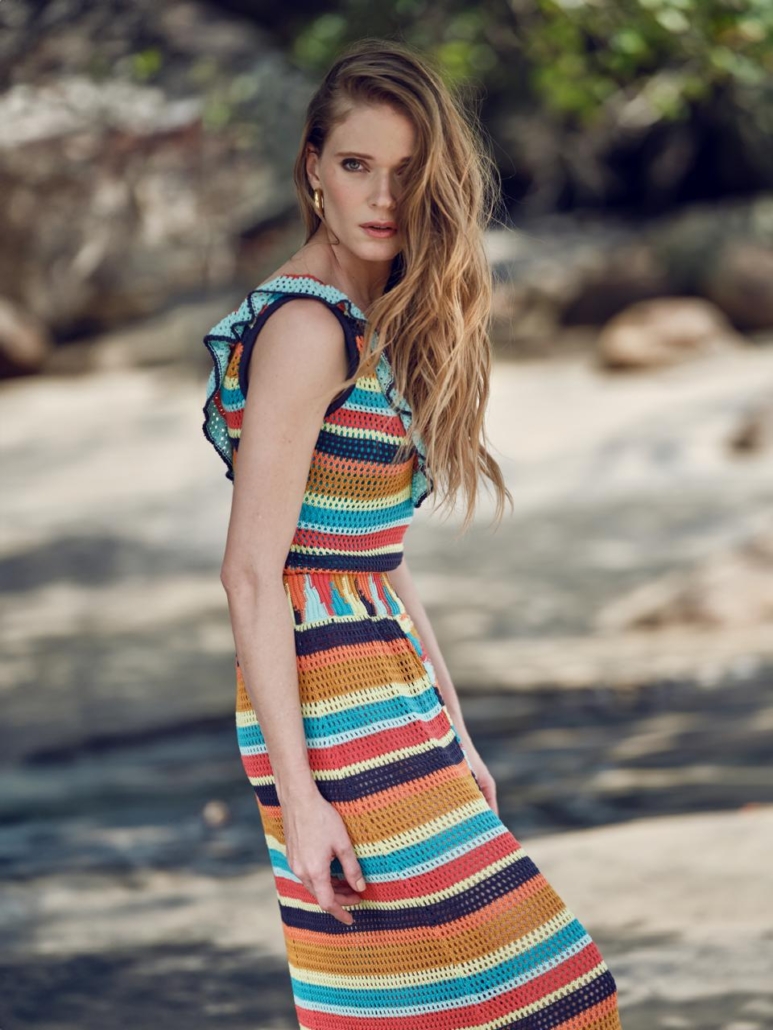
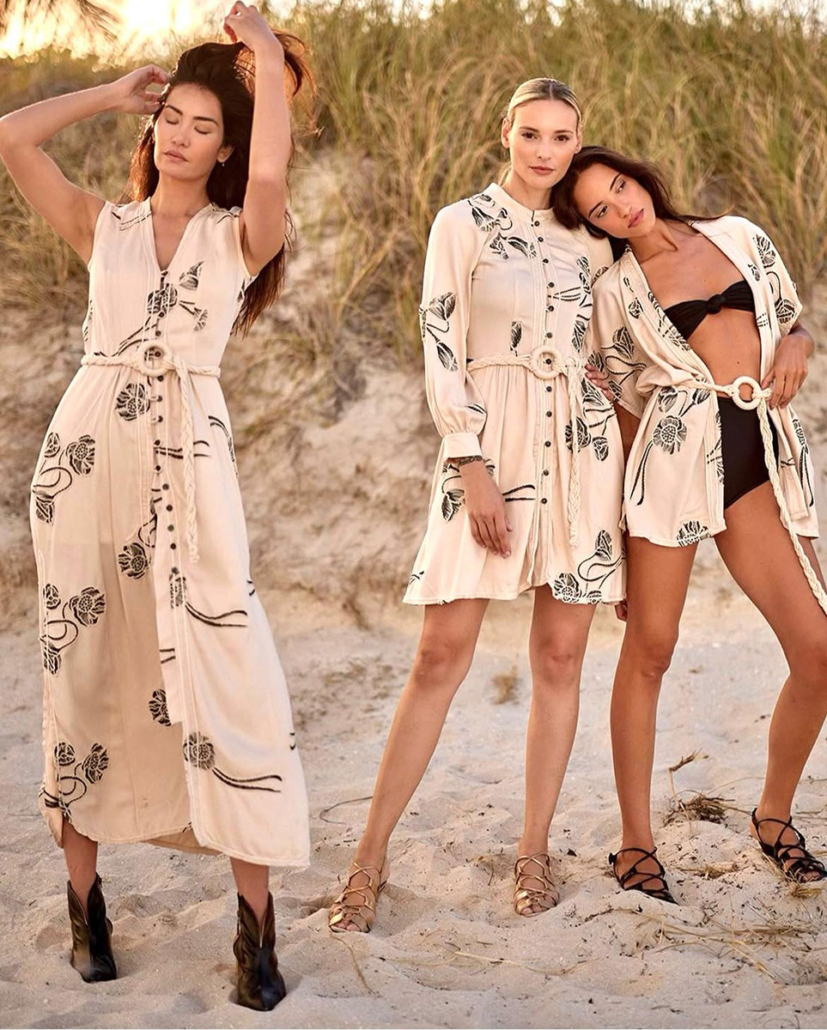
Catarina Mina brings a warm, rustic essence with handcrafted knitwear.
La Sirène expresses a refined, European-inspired resortwear aesthetic, with unique cuts and silhouettes across bikinis, bodysuits, and dresses.
Parioca channels the effortless “easy-chic” lifestyle of Rio — comfortable, joyful, and fashionable.
Each brand tells its own story and presents a unique perspective.
👉 Follow us on Instagram for full coverage and updates throughout the event.
By Juliana Lopes – Fashion journalist and consultant @j.u.lopes
https://abest.com.br/wp-content/uploads/2025/07/miami.jpg7001000abehttps://abest.com.br/wp-content/uploads/2024/06/abest-logo-300x227.pngabe2025-06-02 11:42:542025-07-08 11:44:09Miami Week: Brazilian Fashion Lands at Swimwear Week with 43 Brands
After so many years living in the United States, designer Sinesia Karol says she feels more American than Brazilian… but how could one deny the Brazilian essence infused in every collection of her swimwear brand, SK?
Born in Espírito Santo, Brazil, and married to an American, Sinesia Karol has built a brand that now graces the racks of top U.S. luxury retailers like Saks Fifth Avenue and Neiman Marcus. In Brazil, SK has two boutiques strategically located in glamorous coastal destinations: Trancoso and Angra dos Reis. And yes, despite exporting to the four corners of the world, SK is proudly Made in Brazil.
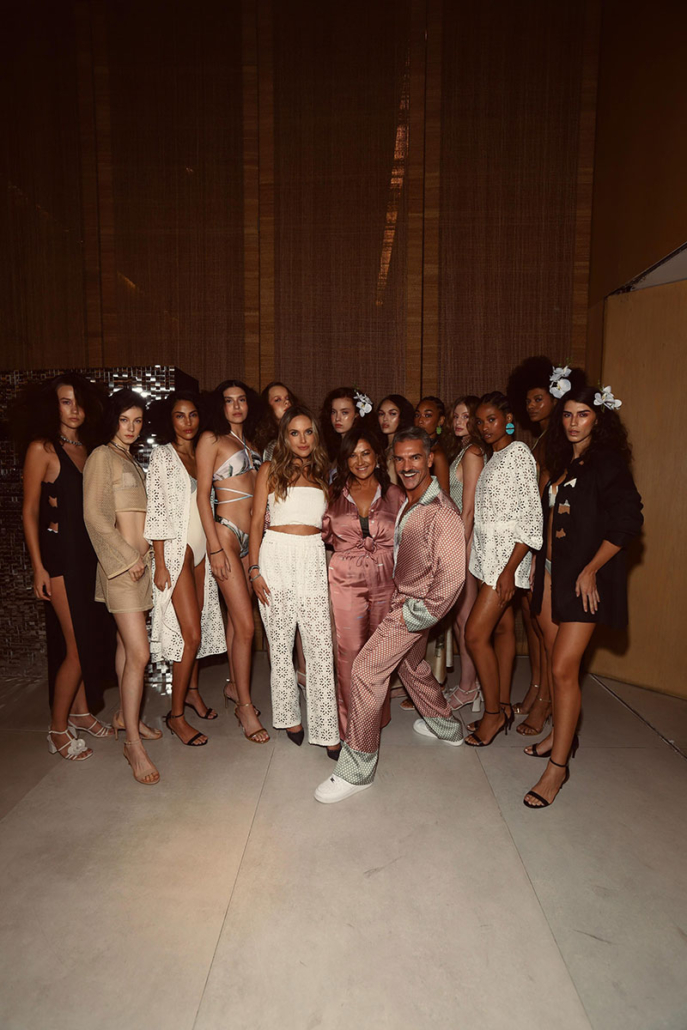
We spoke with Sinesia before and after her runway show in São Paulo, held during Fashion Meeting at JK Iguatemi Mall in April.
How was your experience showcasing in São Paulo?
Wow, it was incredible! The experience at Fashion Meeting was fantastic. We invited some of our clients to a private dinner after the show as a gesture of loyalty and to thank them for these 14 years. It was a lovely evening at Beef Bar, in São Paulo — and many clients placed orders right there at the event.
Tell us about this collection and its highlights.
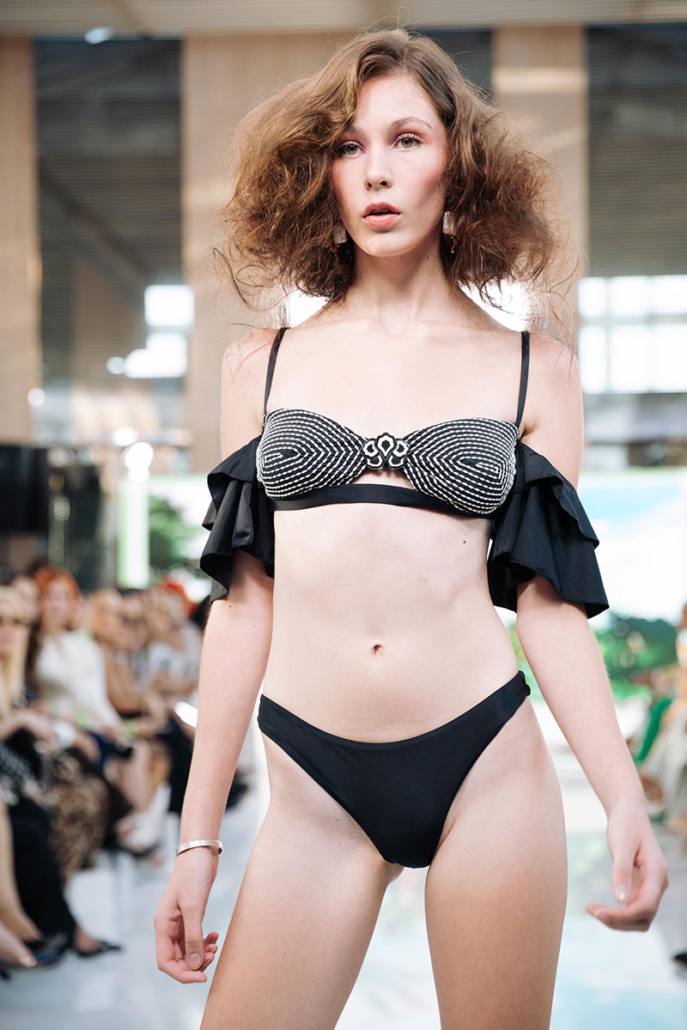
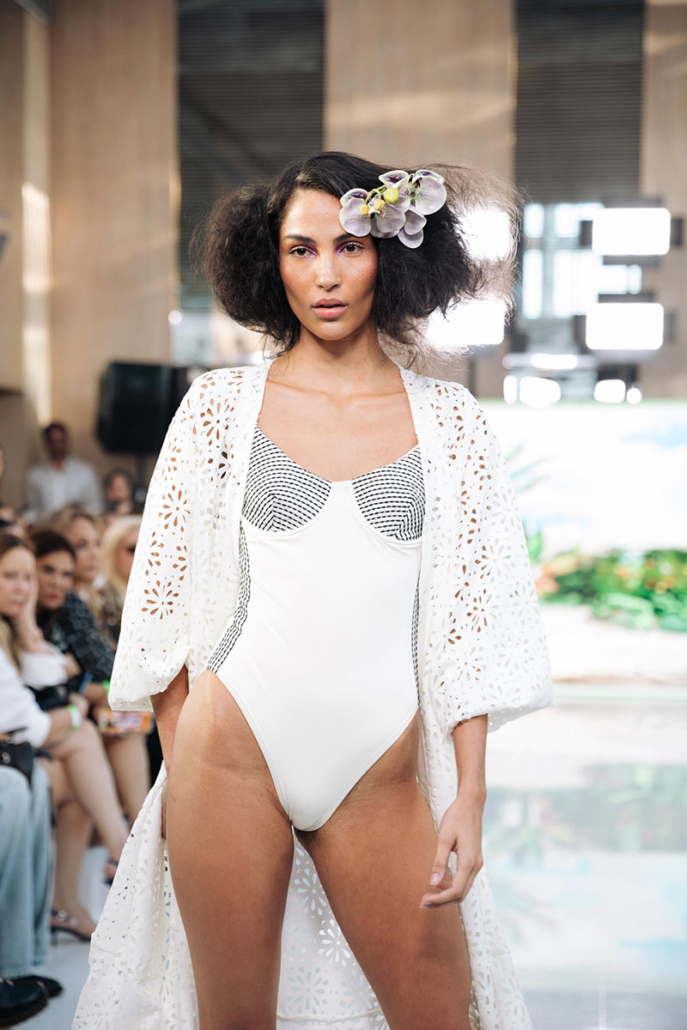
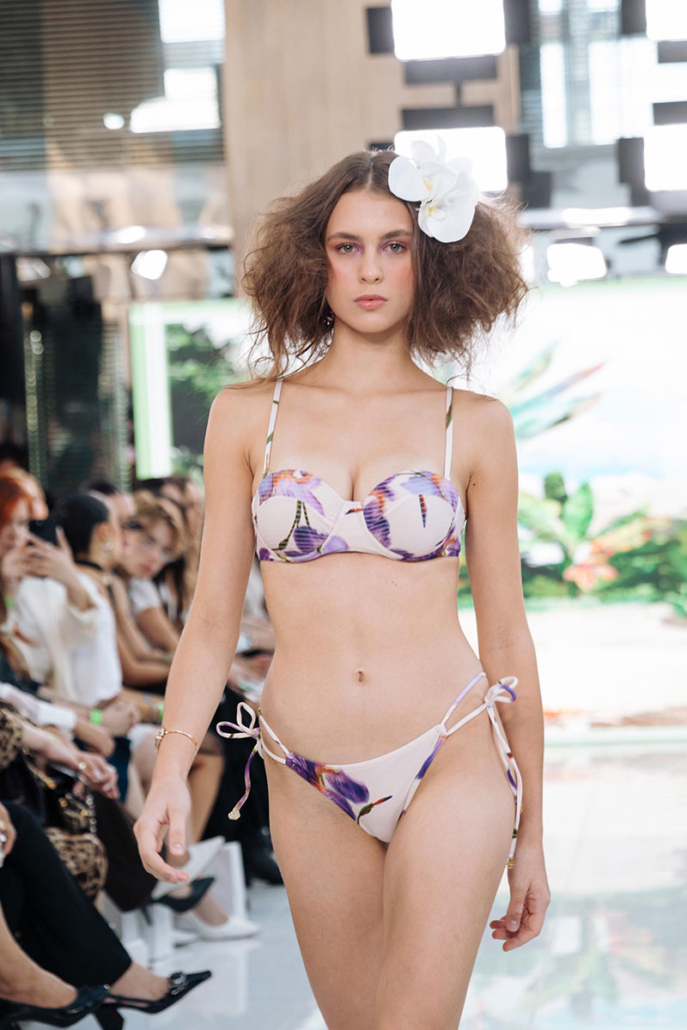
We experimented with different techniques for this collection. One of them was an embroidery method using matelassé, which means “quilted” in French. You could see in the show that the orchid details had a padded texture, adding exclusivity to the design. We also worked with bold topstitching, especially on black and off-white pieces. These contours gave the collection a beautiful and unique result.
Where does the brand usually showcase its collections?
We’ve been presenting at Miami Swim Week for 13 years now, and this was our first time presenting in Brazil.
Can you share a bit about the brand’s journey?
We conceptualized the brand in 2010 and officially launched it in 2012 in New York’s Meatpacking District. Our first retailer was Bergdorf Goodman, followed by Saks Fifth Avenue, Neiman Marcus, and several specialty boutiques in the U.S. We also sold through the Four Seasons Hotel in Hawaii. Today, we export to many countries, including Egypt, the south of France, Spain, Portugal, Russia, Japan, and Greece.
How many stores and retail points does SK have today?
Currently, the brand has three stores — two in Brazil and one in the United States. Our focus is resortwear, so we didn’t initially plan for locations in big cities. But since we have many loyal clients from São Paulo, we are considering opening a store there soon.
Which international trade shows does SK participate in?
Since the beginning, we’ve participated in international trade shows. We show at Splash and Tranoï in Paris, and Cabana Swimwear in Miami.
Do you plan to expand internationally?
We always dream of growing more and more, but in many ways, the brand is already international. I’ve been living in the U.S. for 32 years, so at times, I actually feel more American than Brazilian.
What sustainable practices does SK adopt?
We’ve always been committed to sustainability. Since the beginning, we’ve repurposed leftover lycra to create accessories instead of using metal. We’re also very intentional about working with high-quality materials, which is why our clients are so loyal. Many of them don’t just buy one or two bikinis — they buy the entire collection. That’s been the case for over 12 years now. For us, preserving quality is essential.
Which SK products are bestsellers?
Our kaftans, pajamas, and high-waisted bikinis are among our top sellers. They’re always well received. We aim to keep the style relaxed, chic, and modern, while always thinking outside the box. For us, quality is everything.
https://abest.com.br/wp-content/uploads/2025/05/capa.jpg7001000abehttps://abest.com.br/wp-content/uploads/2024/06/abest-logo-300x227.pngabe2025-05-02 12:12:252025-05-28 11:27:27A Brazil with a Resort Soul
What we put on our faces needs to be precious. What we put on our faces forms the first image we see of ourselves. It expresses our taste and takes care of our eye health. But why weren’t glasses so fashionable 10 or 15 years ago?
This is the question that Gustavo and Gisela Assis were already asking themselves before creating the Lapima brand in 2017. The couple, passionate about design, beauty, and nature, explored workshops and even scrap yards in search of machinery and partners to produce luxury eyewear in Brazil. It was still a little-explored and (very) expensive market. Despite the challenges, their desire to create high-quality design products prevailed, and today Lapima is one of the Brazilian eyewear brands competing side by side with luxury giants.
“Glasses are a luxury item that showcases your identity. Making well-crafted eyewear is hard work. We spend three hours hand-polishing them—it’s like a work of art, with added value,” explains Gustavo Assis, who is also the brand’s creative director.
The simple name—Lapima—came from a family story. Their eldest son, now 17, used to say “lá pima” instead of “lá em cima” (meaning “up above” in Portuguese). The couple found it charming, saw it as a name that would work in multiple languages, and decided to keep it.
Between international fairs, Gustavo spoke with Fashion Label Brasil to share the brand’s story and the satisfaction of bringing Brazil to the world.
Lapima is now considered a successful Brazilian brand with international reach. You are also the first luxury eyewear brand to achieve this level of exposure in global fashion capitals. How have you experienced this moment?
We currently participate in trade fairs in New York, Paris, and Milan. We present a Brazil that isn’t so cliché, which is enchanting for customers. It’s somewhat unusual for a Brazilian company to produce high-quality eyewear in the luxury market. We are a Brazilian luxury brand, producing in Brazil to compete with international brands. We stand alongside major brands that have 30 years or more of history. We feel that it was worth staying true to our initial beliefs and following what we wanted as the brand’s guiding principle.
What were your initial beliefs when you started the brand, and which of them remain your goals?
The beliefs that we still uphold are respecting the quality of the product and the quality of the creation we envision. We don’t compromise for fleeting trends; instead, we focus on setting trends and being trendsetters. We are also committed to delivering on time. Gisela, our team, and I believe in this. We never stray from our path, and over time, this has proven to be very important.
It’s clear that you value the creative process. How do you structure it? Do you have a specific time or place?
There is always a moment for it—a pause. The location doesn’t matter. It always starts with a freehand sketch, where I assess what looks beautiful and play with shapes. The forms then evolve into products. We have iconic lines, fashion-forward lines, and classic lines. We explore freehand drawing within the theme we choose. For instance, when we were inspired by the sea, we immersed ourselves in everything that represents it—both its turbulence and its calm. That led me to explore the shape of diving masks, researching vintage and contemporary models. This entire process takes about a year.
At this stage of design and inspiration, it is truly a luxury for a brand to fit this into a feasible timeline. I see this as a major challenge for brands. How do you manage it?
From the beginning, we’ve had our own workshop and always worked with an in-house prototyping team. We never had long deadlines—our schedules were always tight because we do three trade fairs a year. But a few collections ago, we started organizing everything in a spreadsheet to work a year and a half in advance. That timeline is just for product development.
How many new models do you launch per collection?
Each collection includes eight new models. Added to our classics, best-sellers, and previous collection models, we now have over 400 SKUs when considering color variations.
When you talk about a Brazil that is not cliché, what comes to mind?
I think of architectural beauty, the beauty of our nature, our forests, our sea, and our people. We’ve talked about Brazil’s central region and our savannah. It’s great that people know Salvador, Rio de Janeiro, and São Paulo—I love Brazilian clichés. But we also want to showcase other aspects, like the Serra do Mar mountain range and central Brazil. We’ve drawn inspiration from the sail of a Ceará fisherman’s raft and the diving mask used in Ilha Grande. We seek out these details. It’s a way to share things that people don’t know about.
Do you travel a lot around Brazil?
What is your educational background?
I graduated in Business Administration, but I always dreamed of studying Architecture. I used to visit my parents’ architect friends and draw with their pens. Creating Lapima became my version of architecture. Business administration is important for understanding numbers, financial management, and making sure everything adds up. I never studied design, but I love houses and architecture. Creativity develops over time and through the environment you live in.
How did the brand come to be?
At first, we thought about creating a product design company, and our first product idea was sunglasses. But we couldn’t find a manufacturer that produced high-quality eyewear in Brazil. We almost gave up. Then, we hired an engineer who suggested we buy our own machinery. We purchased an old machine from a scrap yard in Campinas. We sourced lenses from France and other parts from Germany. That’s when we realized we were competing in the international market because the costs kept rising. That was seven years ago, and since then, the company has evolved. Our first showroom, supported by ABEST, was in 2017. The beginning was extremely tough. But in 2021, we started gaining momentum and growing—that was our turning point. Today, we export ready-to-wear sunglasses and optical frames with demonstration lenses.
Do you often travel around Brazil? I assume you need to see the Brazil you want to showcase.
Yes, all the time. Lately, we’ve been to Ceará, Goiás, and Rio de Janeiro—specifically Paraty and Angra dos Reis. In São Paulo, we visit the Serra do Mar in Ubatuba. The places we choose have to be charming and give us a sense of peace.
Eyewear has become increasingly fashionable. It’s an accessory that is drawing a lot of consumer attention. What do you think is driving this trend?
Actually, I’ve always wondered the opposite: why weren’t glasses considered important if they’re the first thing you notice on a person? I never understood why an essential health item, which must be of high quality, was never valued. I asked myself this because, during my grandparents’ time, glasses were a luxury—they were made from tortoiseshell. Then, at some point, they became commoditized. What we are doing now is bringing back their value. There has also been a movement among major brands to reintroduce this appreciation. Today, we see an independent market taking over this space.
By Juliana Lopes – Fashion Journalist & Consultant @j.u.lopes
https://abest.com.br/wp-content/uploads/2025/03/destaque-1.jpg7001000abehttps://abest.com.br/wp-content/uploads/2024/06/abest-logo-300x227.pngabe2025-03-19 12:18:012025-05-07 11:55:01Up Above: The Evolution of the Brazilian Luxury Eyewear Brand.
Fashion Label Brasil’s Podcast in English Makes Our Fashion World More Accessible to Foreign Audiences
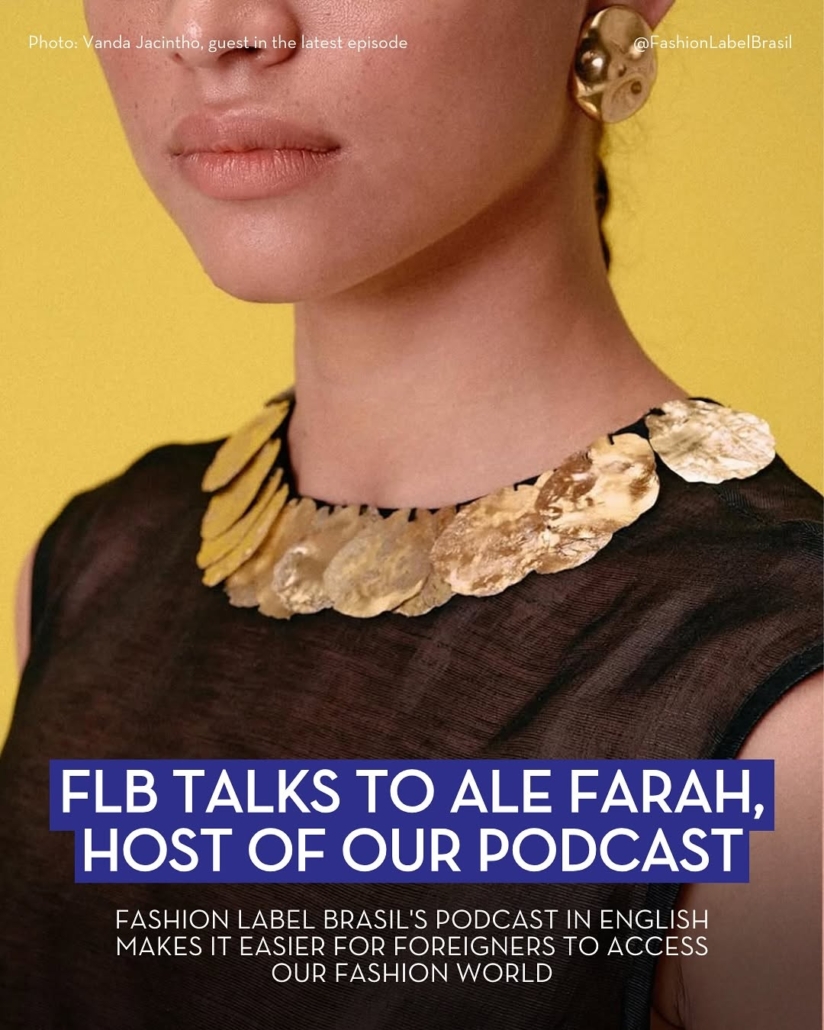
The 8th episode of the Fashion Label Brasil Podcast is now live, featuring Brazilian brands Maria Sanz, Vanda Jacintho, Serpui Marie, and Ventura Eyewear. With eight episodes, we have already reached a total of 30 participating Brazilian brands, bringing information in English to be heard—and seen—around the world.
The podcast culture provides the perfect platform to literally spread the voice of Brazilian fashion beyond South America. It wouldn’t have the same impact in Portuguese. The target audience of the Fashion Label Brasil podcast is international listeners.
We spoke with journalist Alexandra Farah, the podcast’s host, about the importance of using this type of media.
In your view, what is the significance of an English-language podcast about Brazil? Where can we reach?
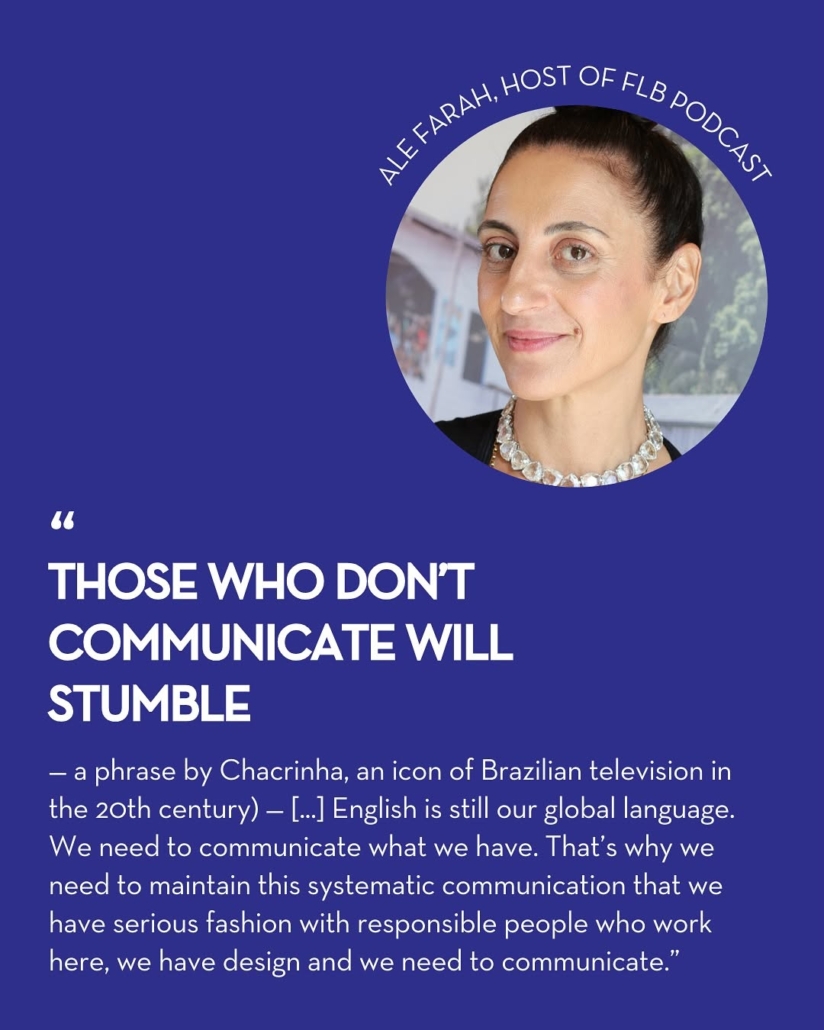
English remains our global language. We need to communicate what we have. As Carnival approaches, I remember the phrase: “Who doesn’t communicate, gets left behind” (a saying by Chacrinha, an iconic Brazilian TV personality of the 20th century). Fashion is still very Eurocentric, and Brazil goes in and out of fashion. That’s why we need to maintain strong, systematic communication to show that we have a serious fashion industry with responsible professionals working here, with design, and we need to communicate that. Today, podcasts provide deeper communication than social media and reach people who are truly interested.
When we talk about Brazilian fashion, what aspects do you think should be highlighted to add value to our market?
What impresses me most about this work with Abest is how close these brands are to nature. It’s in their DNA, in their research, and this process needs to be valued. The biggest issue in the fashion industry, not just in Brazil, is the lack of transparency and traceability in production. Traditional capitalism has always alienated people from the origins of production processes. In Brazil, we have a wide variety of brands and a very modern approach, with small and medium-sized brands closely connected to their seamstresses and suppliers. Their origins are diverse—some come from the Cerrado, others are near the Amazon, some have indigenous influences, etc.
In your opinion, what clichés about Brazilian fashion still persist in the international perspective?
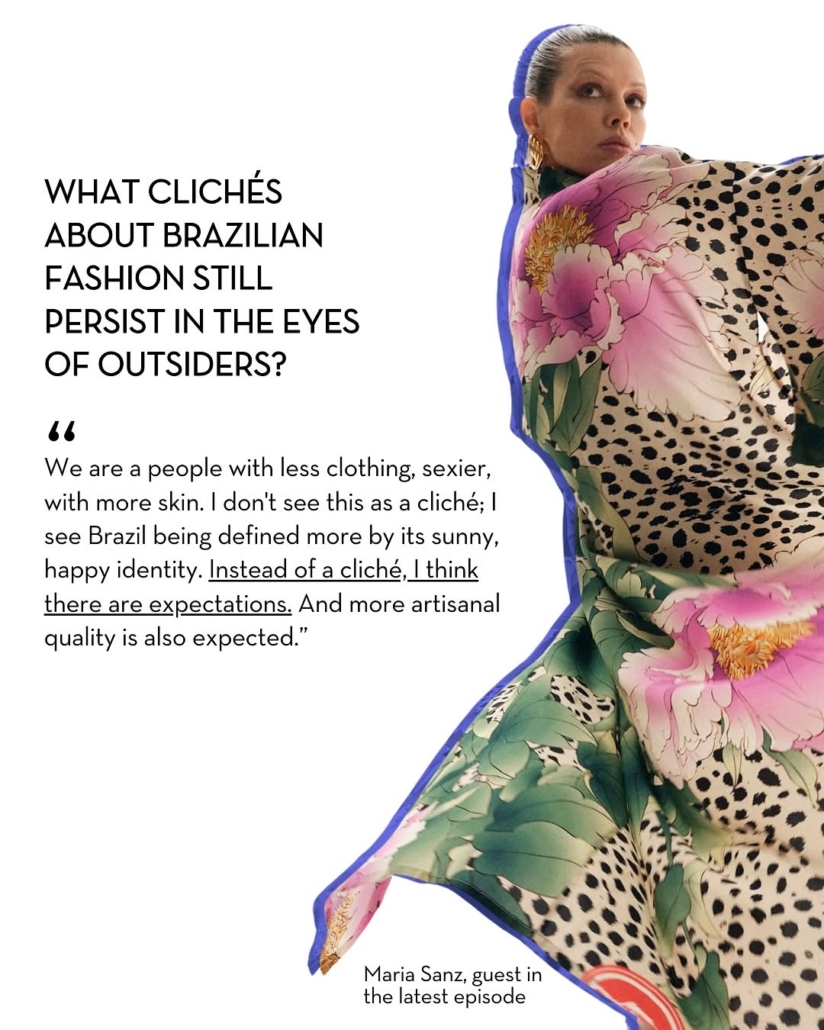
We need to distinguish between clichés and identity. We are a people who wear fewer clothes, who are sexier, who show more skin. I don’t see this as a cliché; I see it as Brazil being defined by its solar, joyful identity. Instead of clichés, I think there are expectations. People also expect more craftsmanship. The term “handmade” is more tangible than the word sustainability because it clearly conveys the idea of non-mass production.
In the last podcast, you spoke with Maria Sanz, Serpui, Vanda Jacintho, and Ventura Eyewear. What was unique or interesting that you discovered about these brands?
This last podcast was fantastic because it featured brands that are truly prepared for the market and have experience. Some, like Maria Sanz, are young, while others, like Ventura, have an established industry. Serpui Marie has been exporting for 30 years, working with long-standing suppliers. And then there’s Vanda, one of the most sophisticated people I know! What these brands have in common is that they represent Brazil abroad in a calm and serious way. They all have a deep concern for raw materials and their relationships with suppliers and seamstresses. These are very human brands. That’s something Brazil has in abundance. They are big brands, but they maintain their identity, remaining modern, conscious, and ethical.
After so many years in the industry, what still surprises you about the world of Brazilian fashion?
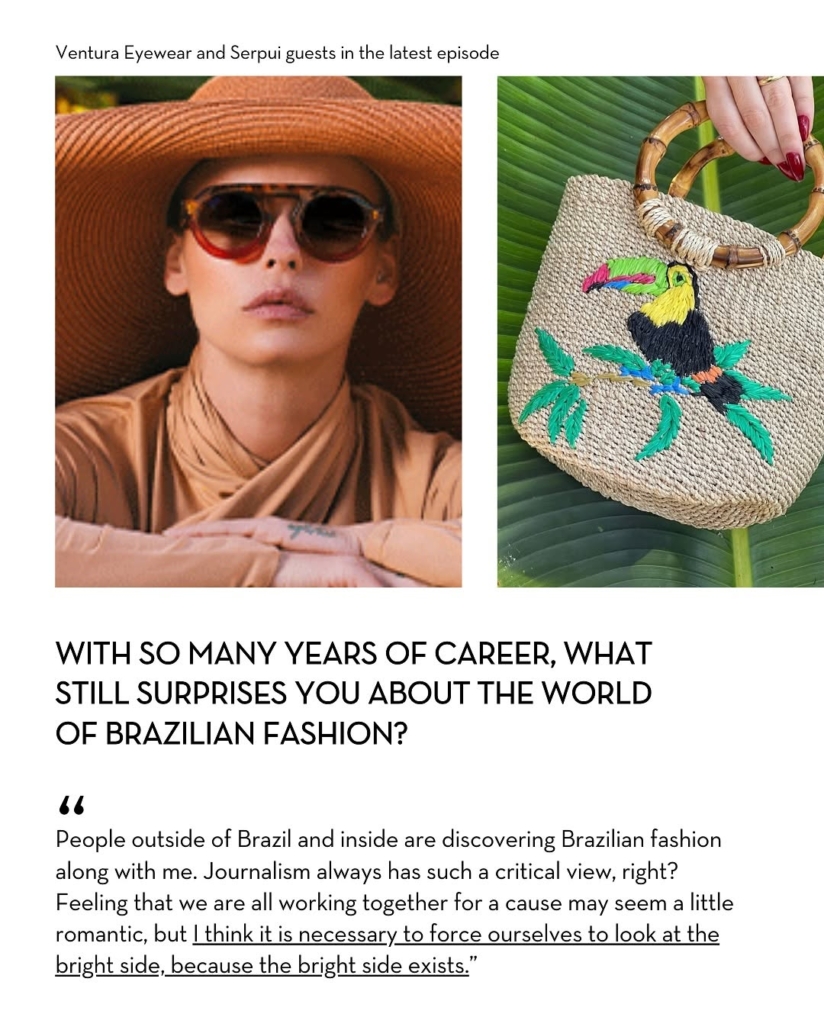
I’ve been in this industry for decades, and yet, every episode has been a pleasure and a discovery. Brazilian fashion is so diverse, and Brazil is so vast. It’s been a deeply rewarding experience. Both international and local audiences are discovering Brazilian fashion alongside me. Journalism always takes such a critical approach, right? Feeling that we’re all working together for a cause might seem a bit romantic, but as you said earlier, I think it’s necessary to force ourselves to see the good side—because the good side exists. Of course, we have many challenges, but right now, it’s time to highlight our strengths.
By Juliana Lopes – Fashion Journalist & Consultant @j.u.lopes
https://abest.com.br/wp-content/uploads/2025/03/destaque.jpg7001000abehttps://abest.com.br/wp-content/uploads/2024/06/abest-logo-300x227.pngabe2025-03-07 10:36:202025-03-20 14:21:03Our Voice in the World